
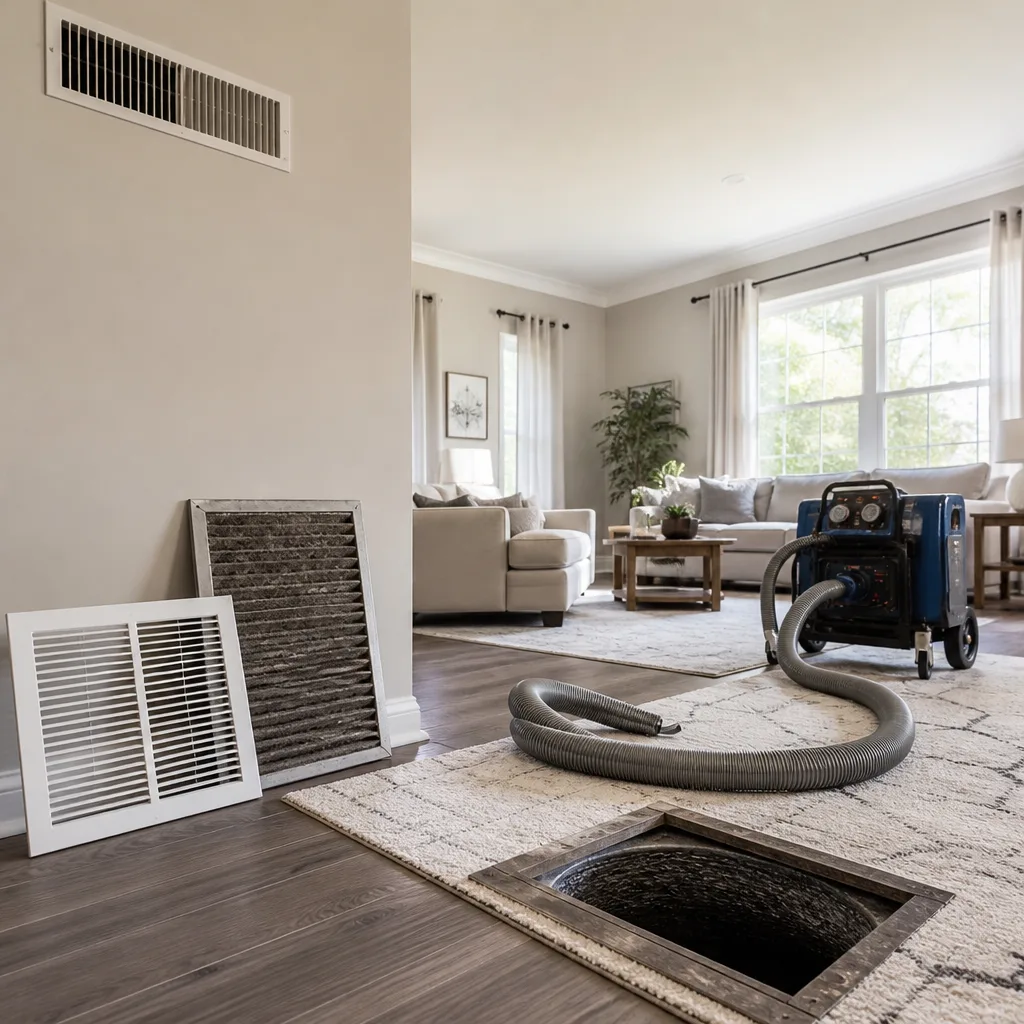
 Whole-home duct cleaning
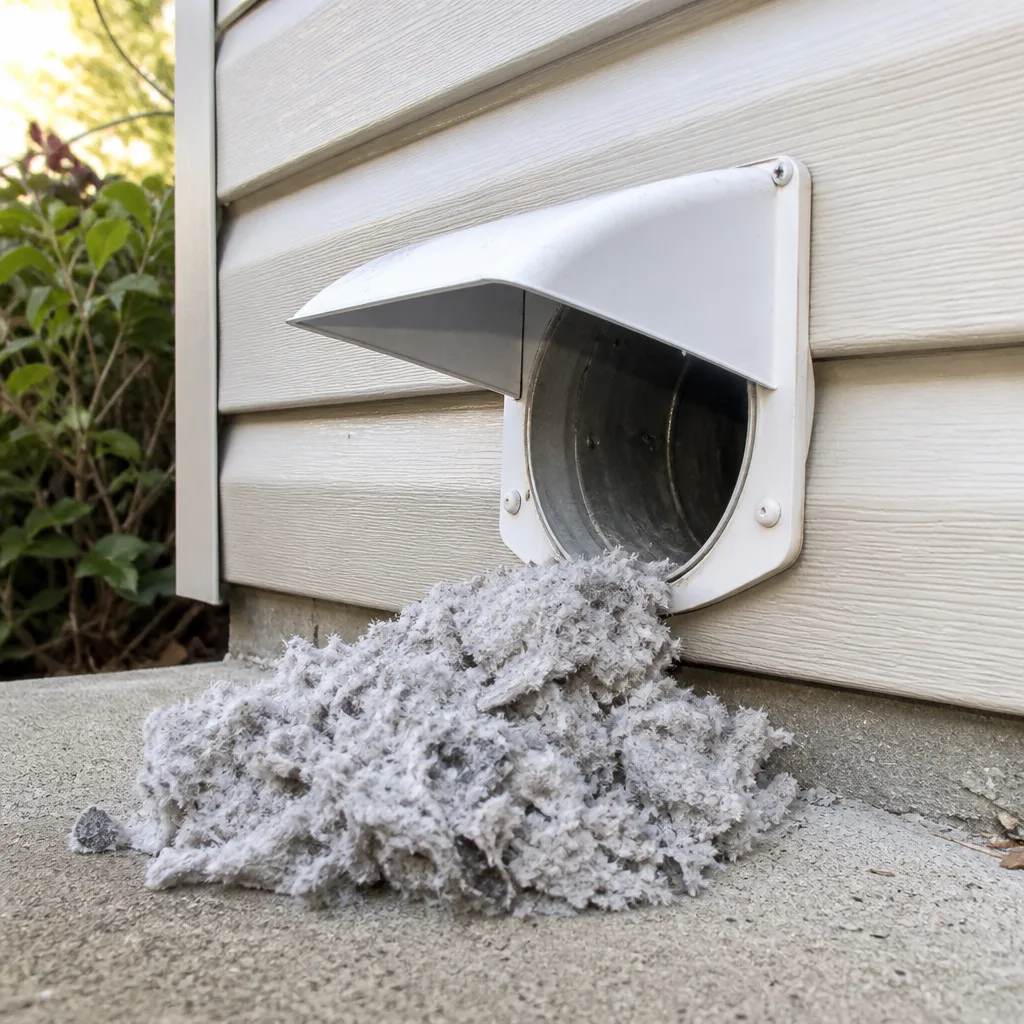 Dryer vent cleaning
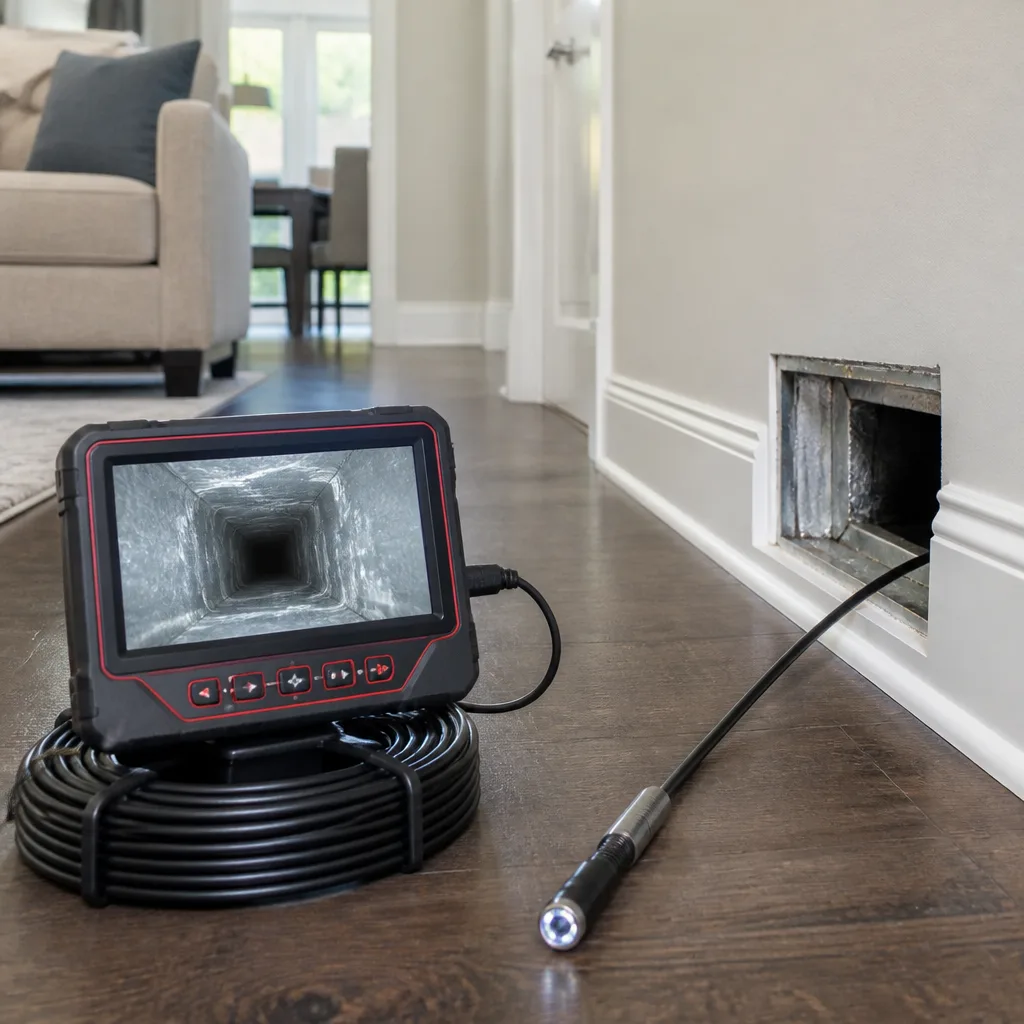 Camera inspection
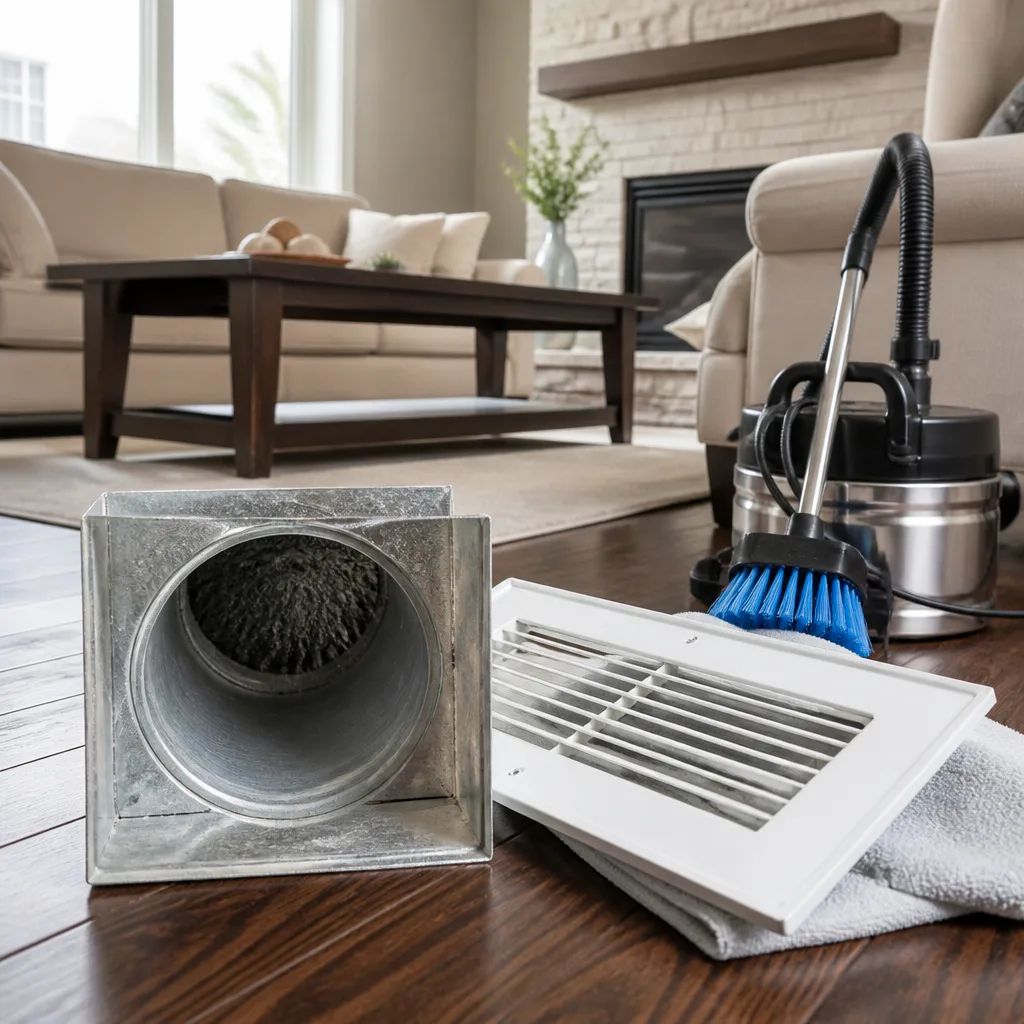 Sanitizing & deodorizing
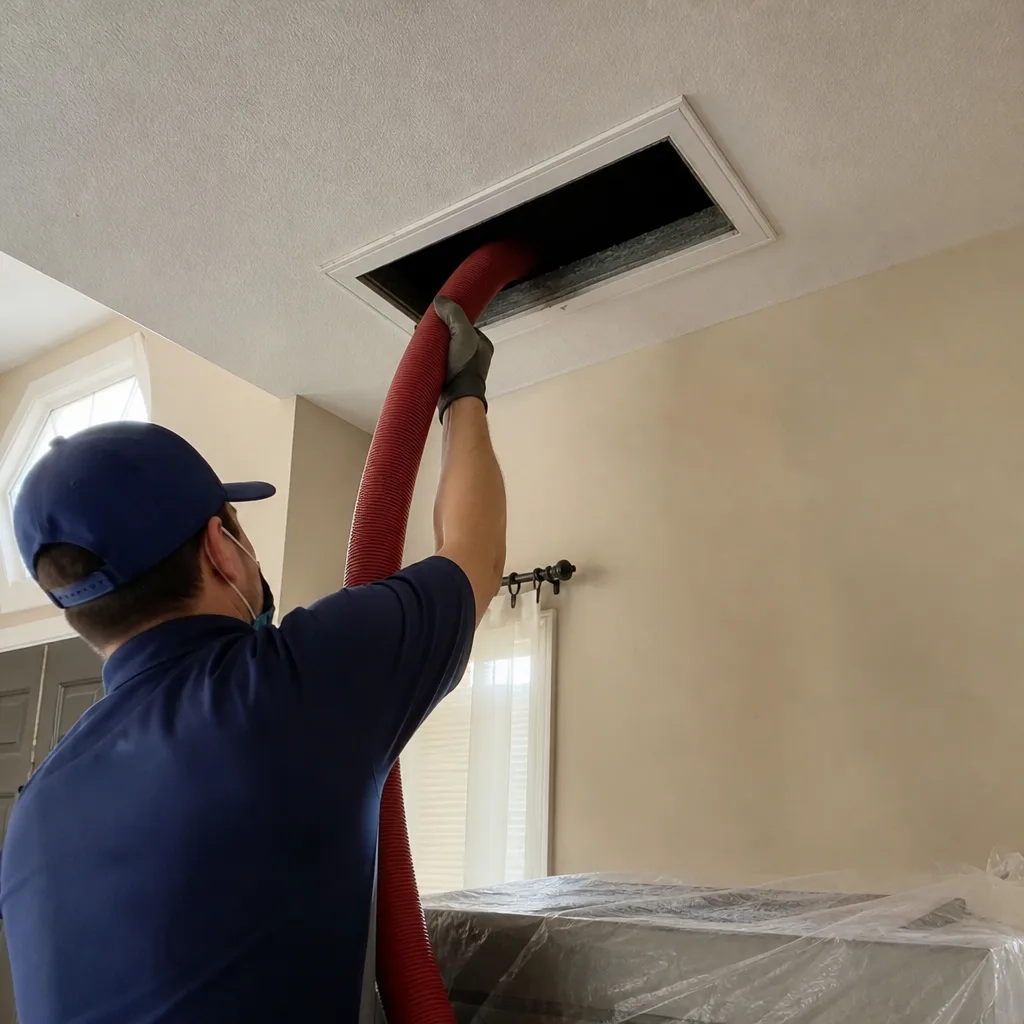
Whole-system duct and dryer vent check with before-and-after photos - you see exactly what came out of your vents
That "$99 whole-house special" is a bait ad - the real number appears once they are in your hallway, or the "clean" is a shop-vac at the register. We photograph the inside of your ducts before and after instead.
Nikro Vent Sanitizing: The San Jose Owner’s Guide
We stock and install Nikro-compatible vent sanitizing components for San Jose homes, with most jobs running between $145 and $285 installed depending on your model and the part that failed. We keep the most common Nikro replacement parts on our trucks, so in many cases we can complete the sanitizing component swap the same day we’re at your door. Most San Jose homeowners discover a problem the same way: the sanitizing function stops engaging mid-cycle, a seal has dried out and is letting bypass air through, or a fitting cracked after years of heat cycling in a crawlspace or attic.
Nikro builds negative-air machines and sanitizing systems used throughout the Bay Area’s air duct industry, and we’ve worked with their equipment in Willow Glen bungalows, Almaden Valley two-stories, and newer builds near Santana Row. When a Nikro sanitizing component fails, the fix is usually straightforward for someone who knows the line. The key is matching the right part to your specific unit, because Nikro has made running changes over the years and two machines that look nearly identical can take different fittings.
Which Nikro Models This Applies To
Nikro’s indoor air quality line includes negative air machines, HEPA filtration units, and duct sanitizing systems that are used during air duct cleaning and restoration work. The sanitizing components we most commonly replace sit within their duct cleaning systems and portable sanitization units, where a UV bulb, a seal set, a sprayer fitting, or an electrical control module has worn out. If you’re not sure which model you have, look for the silver Nikro data plate on the back or underside of the machine. That plate carries the model number and serial code, and those two pieces of information are what we need to verify compatibility before we order or install anything.
Here’s the compatibility gotcha we see regularly in San Jose: Nikro released a revised seal-and-gasket design around 2016, and the older-style seals do not seat correctly in the newer housings. If you order a generic gasket set online without checking your serial, you may end up with a part that fits loosely and pulls air around the sanitizing chamber instead of through it. We always check the serial against the Nikro parts reference before we touch anything. On the OEM-versus-aftermarket question, our honest read is that OEM Nikro parts are worth the premium on seals and electrical controls, while a few quality aftermarket HEPA filters perform just as well as factory ones. We’ll tell you which is which on the phone, not after we’ve ordered something.
Styles & brands we work with
Signs Your Nikro Vent Sanitizing Is Failing
- The sanitizing cycle won’t start or cuts out mid-run. This usually points to a failing control relay or a worn power switch, both common on Nikro units that have logged years of daily use.
- You smell a faint electrical scent near the unit during operation. That’s often a capacitor beginning to fail. It’s a small part, but if it goes while you’re running the machine, it can take the control board with it.
- Airflow from the unit feels weaker than it used to. A clogged HEPA pre-filter or a seal that’s no longer seating properly will drop the negative pressure, which reduces the sanitizing effect and strains the motor.
- The sanitizing solution isn’t dispersing evenly, or it drips from the sprayer head. A worn o-ring or cracked sprayer fitting causes this. It’s more than a nuisance because uneven application means uneven sanitizing coverage.
- You hear a rattle or vibration that wasn’t there before. Mounting hardware works loose over time, especially on units that get moved from job to job. Left alone, that vibration accelerates wear on everything around it.
See the difference
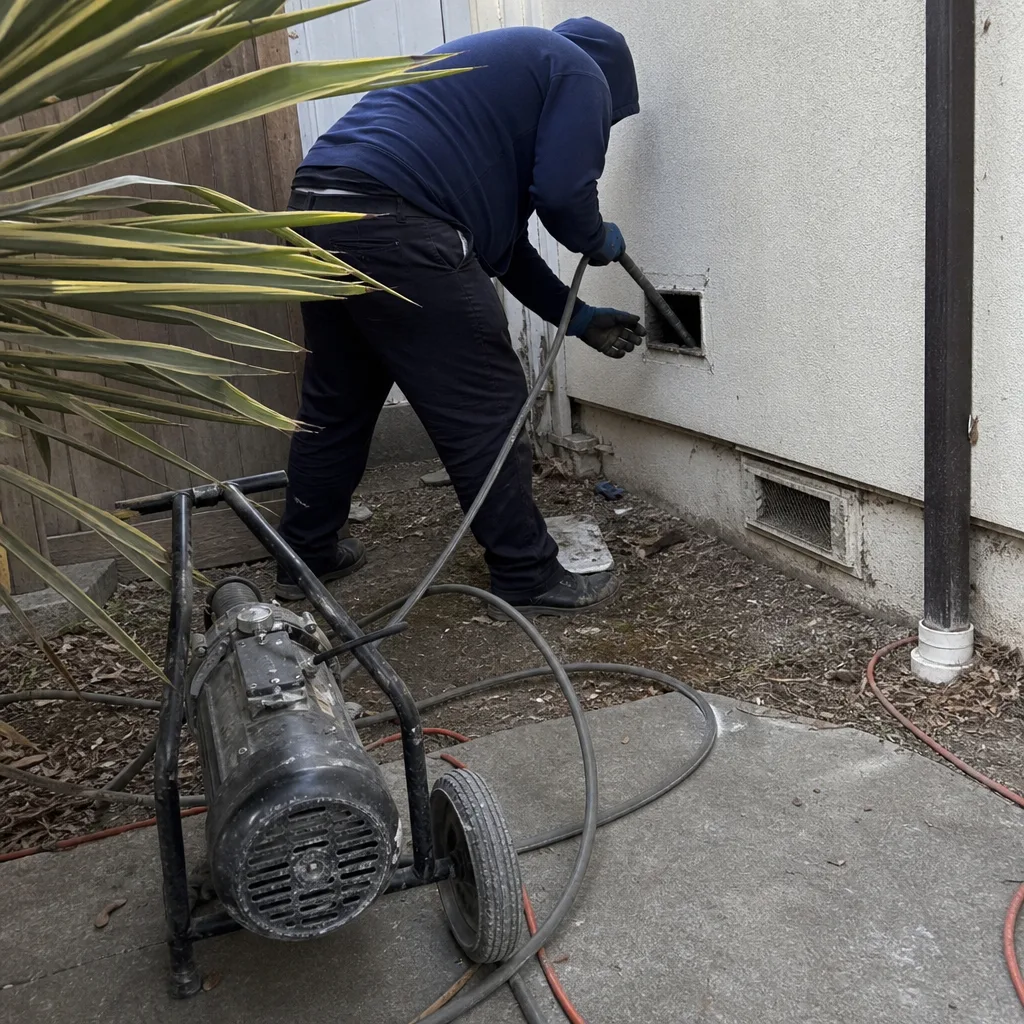 Before
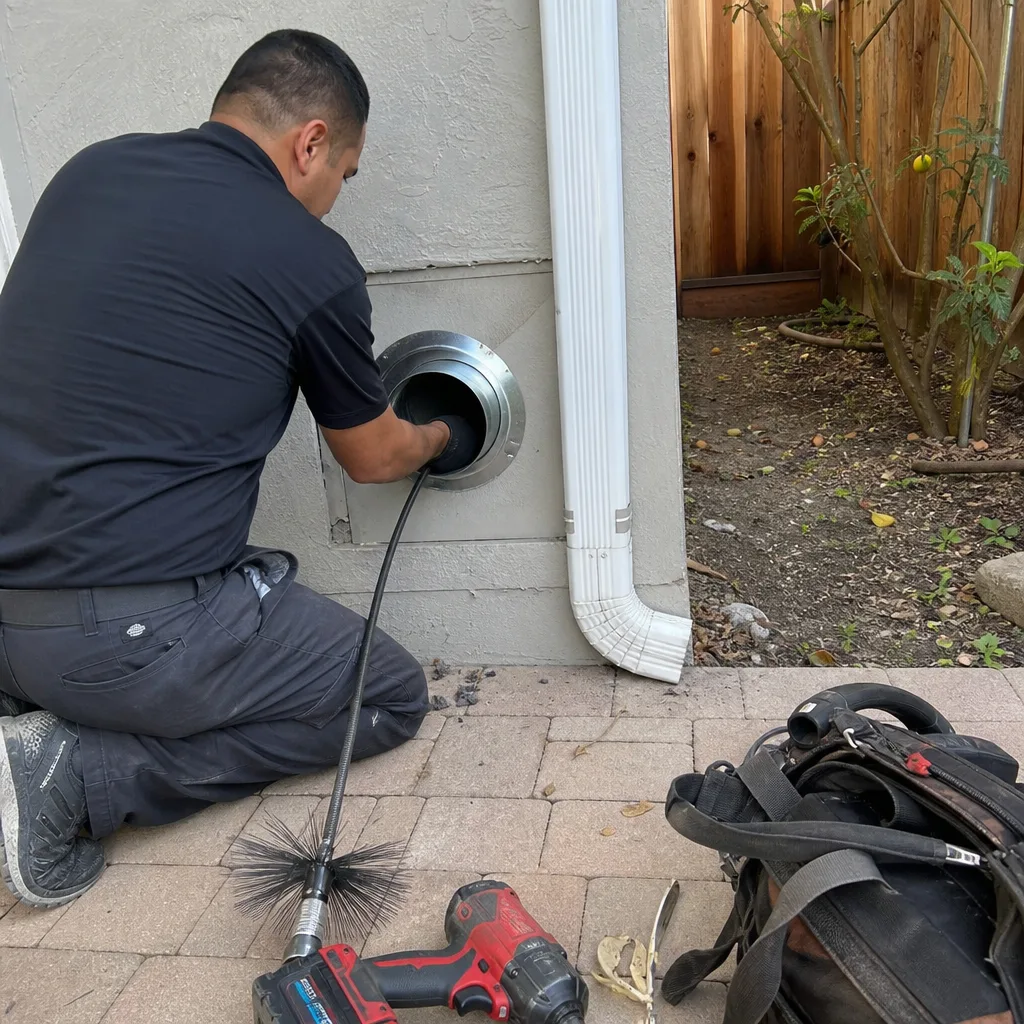 After
After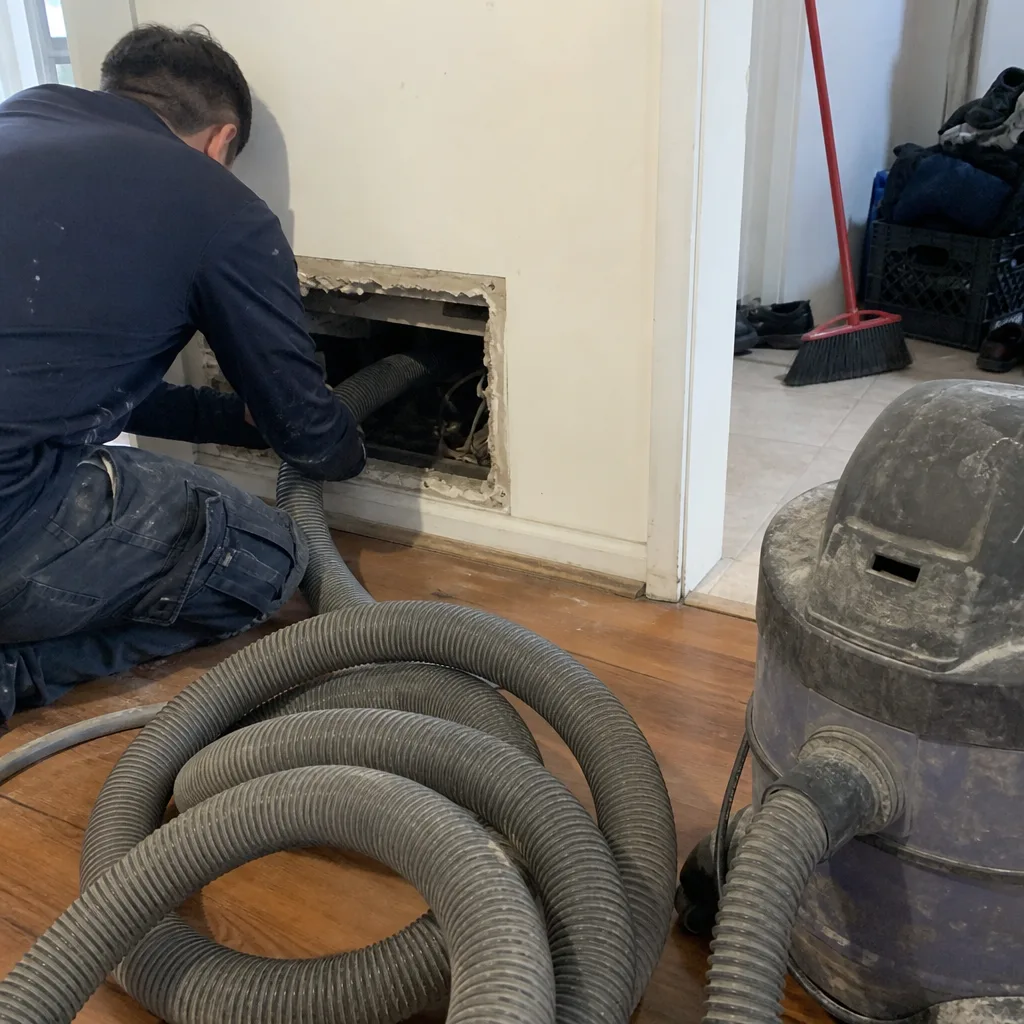 Before
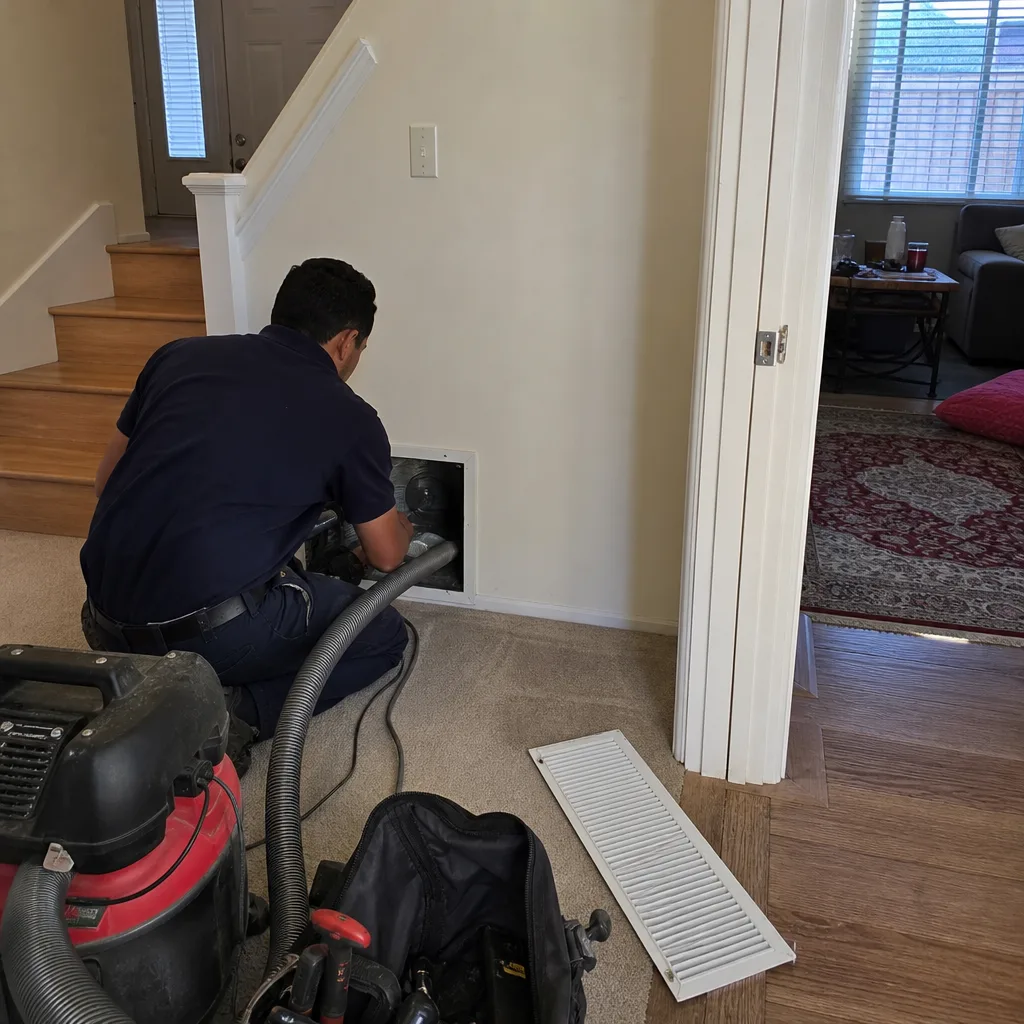 After
After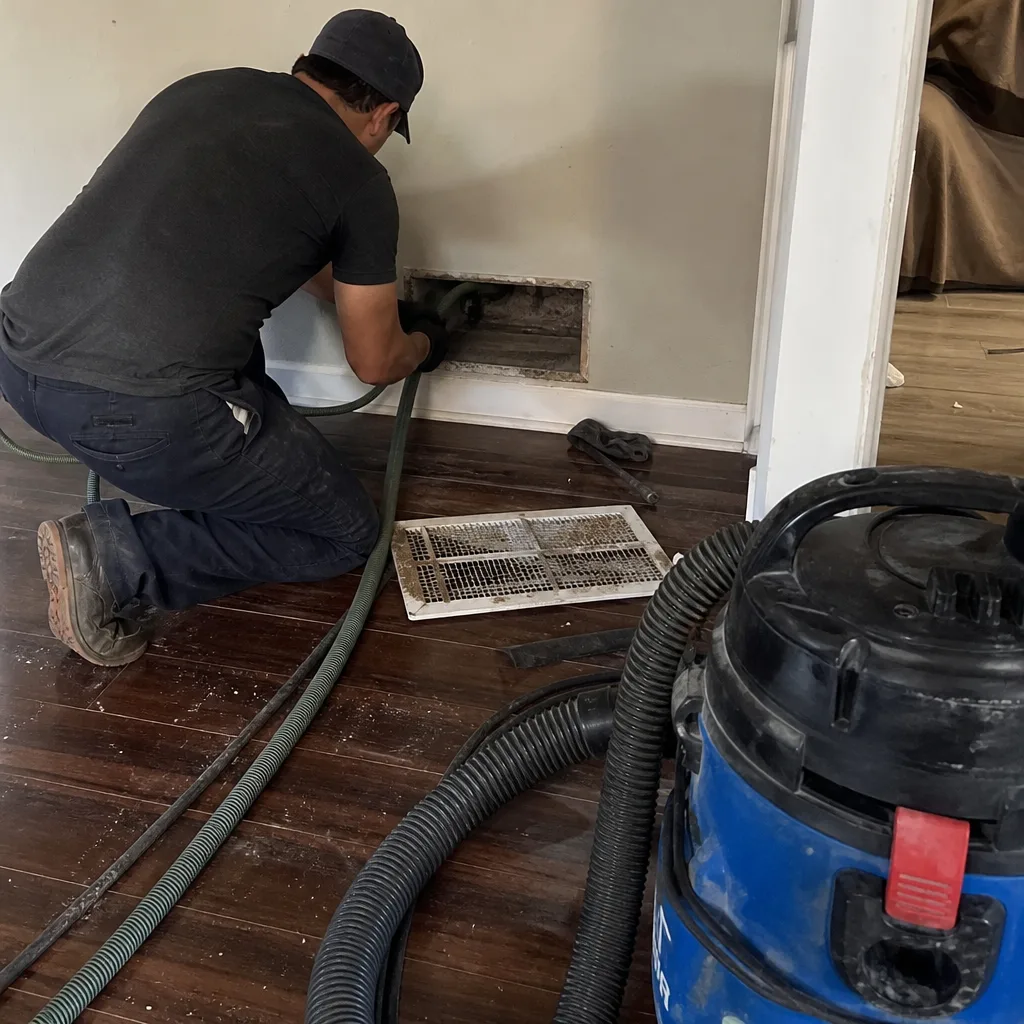 Before
 After
AfterReplacement Cost & What’s Included
In San Jose, expect to pay between $145 and $285 installed for the most common Nikro vent sanitizing replacements. The range depends on which component failed, whether we’re replacing a seal set on the lower end or a control relay or bulb assembly on the upper end. Labor is included in these numbers, and you’ll know the exact price before we start because we put it in writing.
Every Nikro part we install carries the 365-Day Done Right Promise in writing. If the part fails or the sanitizing function doesn’t work properly within that year, we come back and make it right at no charge. That’s not a courtesy we extend at our discretion. It’s the Kingswell Guarantee, and it applies to every job we do in San Jose.
DIY or Call Us?
There are a couple of safe things you can check yourself. If your Nikro unit has a visible filter, pull it and look for heavy buildup. A clogged filter is easy to identify, and some owners are comfortable swapping a HEPA filter on their own. You can also visually inspect seals for obvious cracking. What we don’t recommend is opening the electrical housing or attempting to replace any wired component yourself. Nikro machines run on 115-volt circuits, and a capacitor holds a charge even after you unplug the unit. That’s a shock risk most homeowners shouldn’t take on.
If you’ve narrowed it down but you’re not sure of the fix, call us at (669) 220-7869. We’ll ask for the model and serial from the data plate, tell you what we think over the phone, and give you a straight price before we schedule the visit. Dale Whitmore and the crew have been working on Nikro equipment as long as we’ve been cleaning ducts in San Jose, and we’d rather put the right part in once than guess twice.
FAQs
Most Nikro sanitizing components last between 5 and 8 years under regular residential use, though seals and o-rings can degrade faster in San Jose’s dry summer heat if the unit spends time in an unconditioned garage or attic. Give us the model and serial from your data plate at (669) 220-7869 and we can tell you what to expect for your specific unit.
Some components, like a loose fitting or a dirty sprayer head, can be cleaned and reseated rather than replaced, and we’ll always choose that route when it’s genuinely reliable. Electrical components like relays and capacitors are replace-only, because a repaired one won’t hold up. Call (669) 220-7869 and we’ll give you an honest read before any work is scheduled.
Most Nikro part swaps take 45 to 90 minutes once we’re on site, and we handle it like any other San Jose service call with a defined arrival window. We’ll tell you the window when you book, and we arrive inside it.
We stock the most common Nikro seals, filters, relays, and sprayer fittings on our trucks, so many replacements happen the same day. Less common parts take 2 to 4 business days to source. Call (669) 220-7869 with your model and serial, and we’ll tell you exactly what we have on hand.
Written by Dale Whitmore, Owner, Kestrel Air Duct San Jose at Kestrel Air Duct San Jose, serving San Jose and nearby areas.