
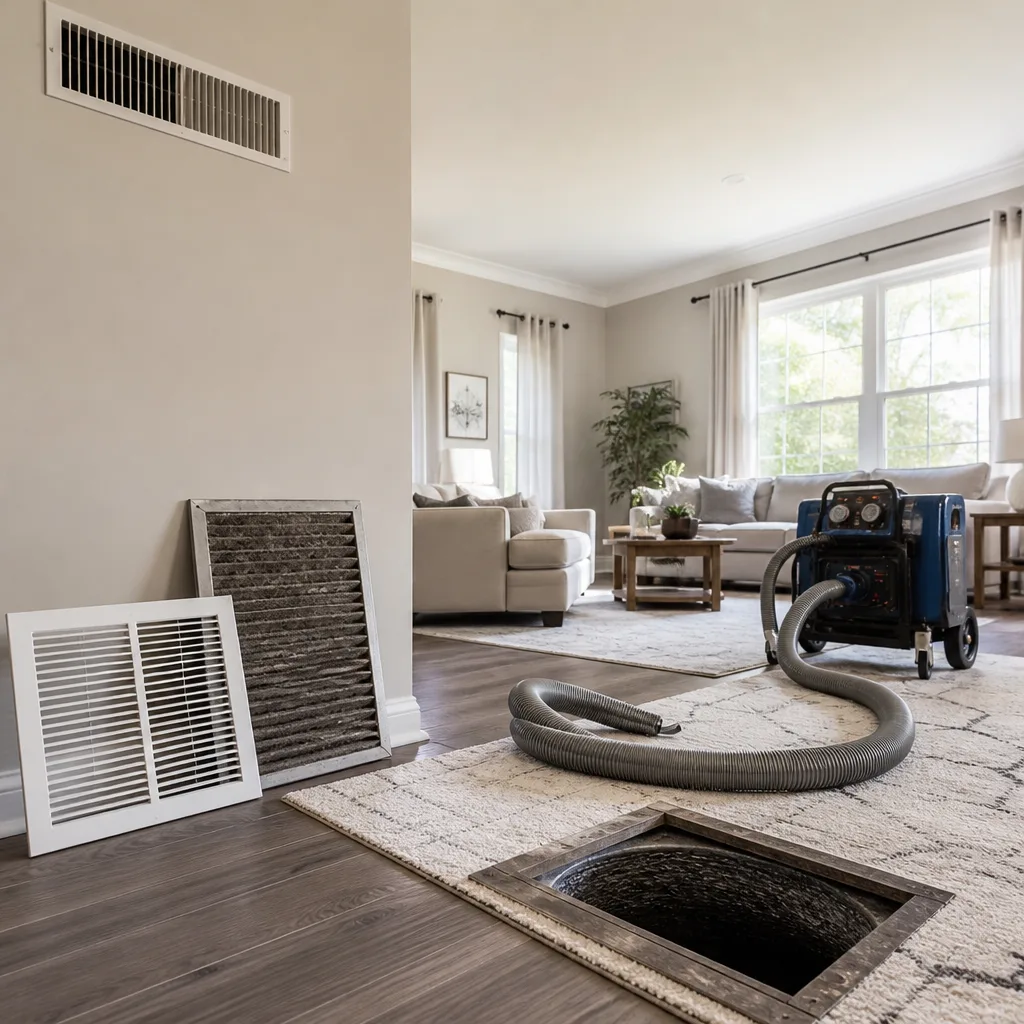
 Whole-home duct cleaning
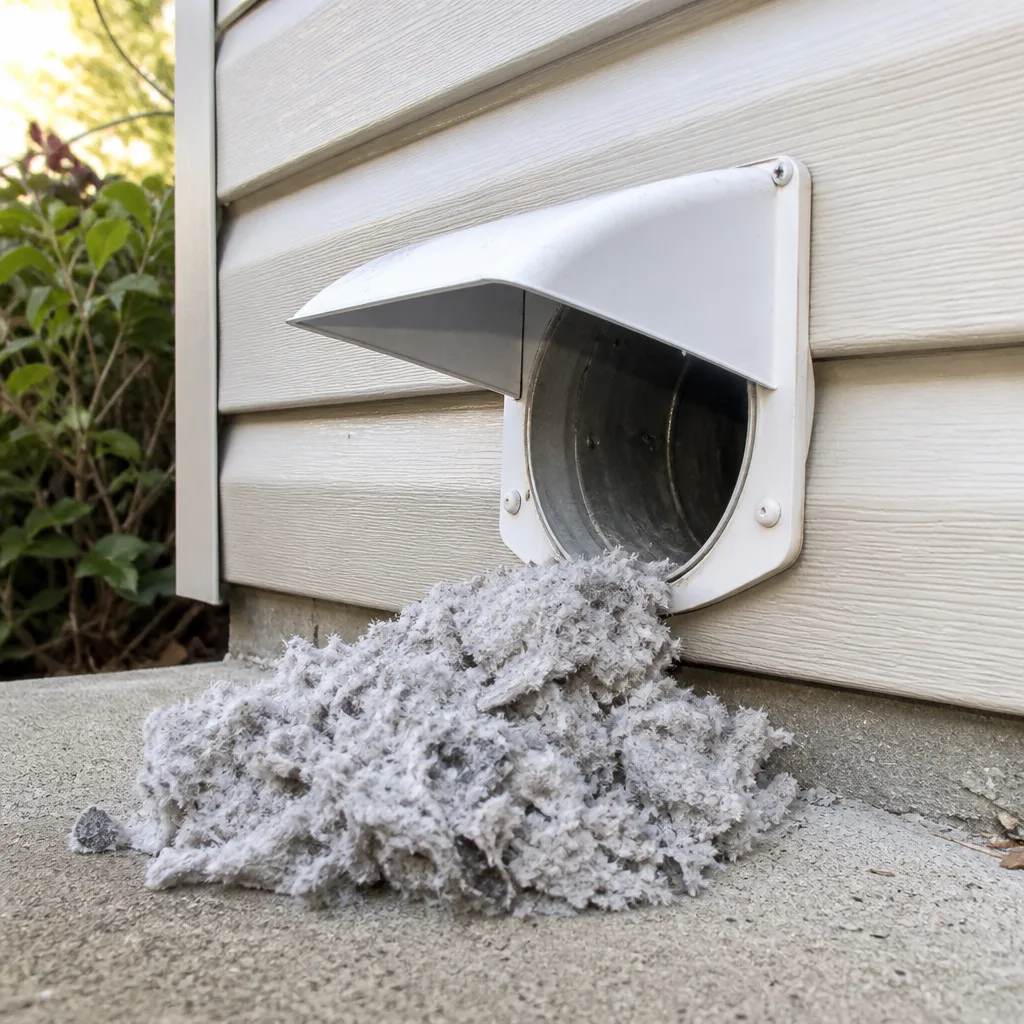 Dryer vent cleaning
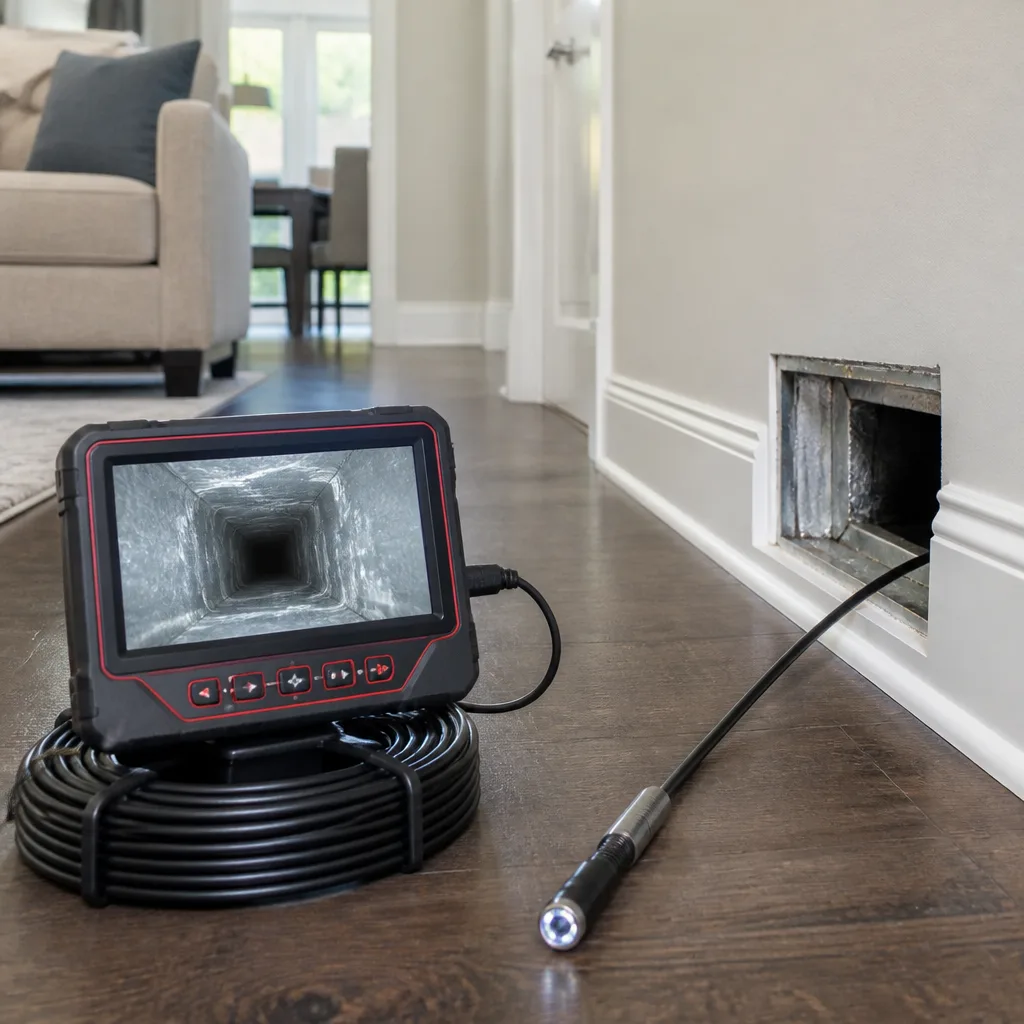 Camera inspection
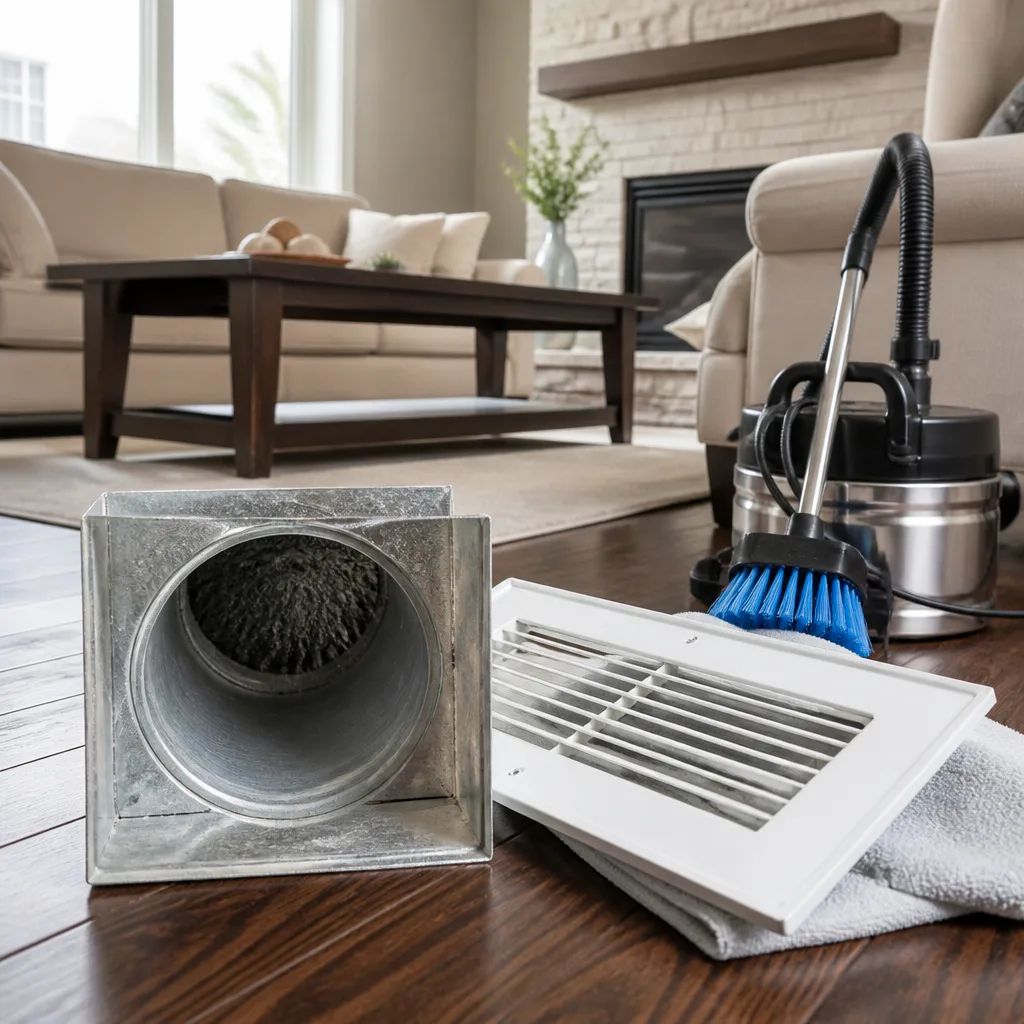 Sanitizing & deodorizing
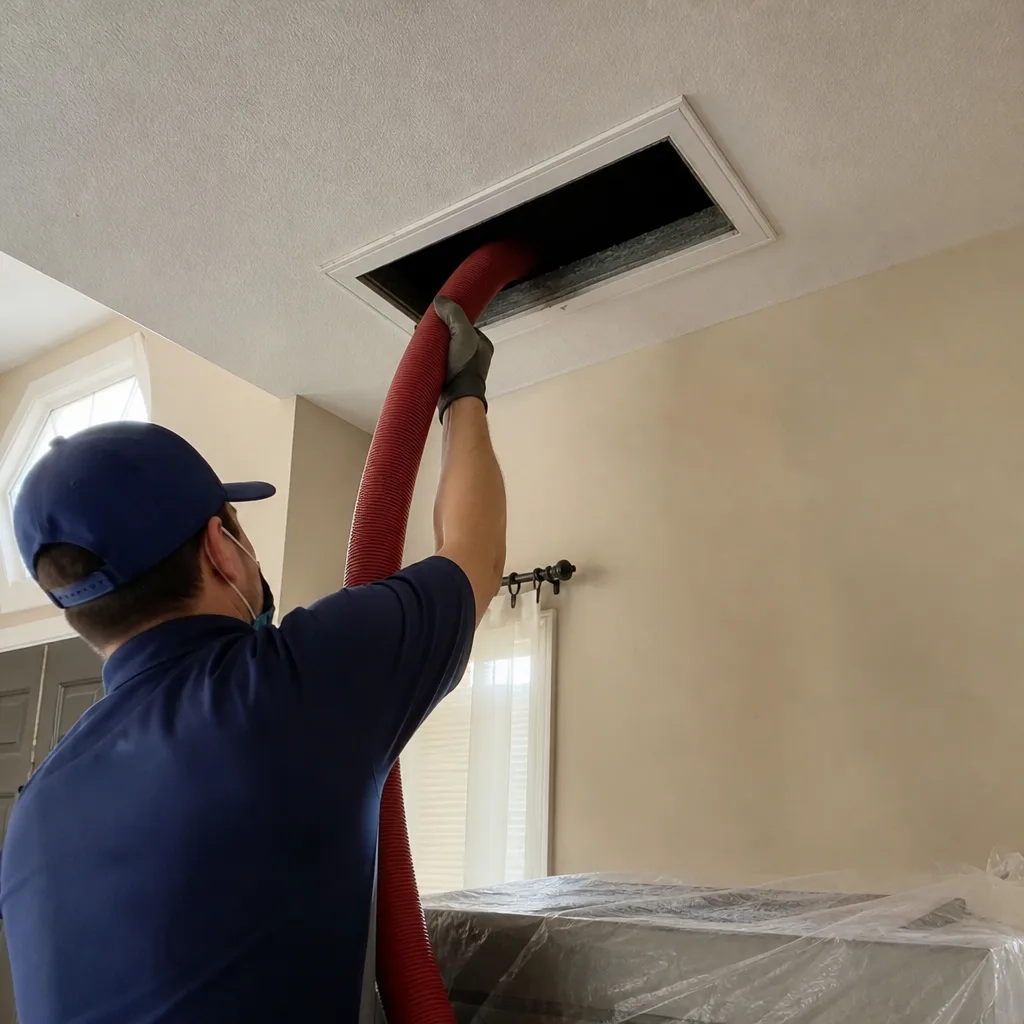
Whole-system duct and dryer vent check with before-and-after photos - you see exactly what came out of your vents
That "$99 whole-house special" is a bait ad - the real number appears once they are in your hallway, or the "clean" is a shop-vac at the register. We photograph the inside of your ducts before and after instead.
Honeywell Register & Grille Cleaning: The San Jose Owner’s Guide
If you have Honeywell registers and grilles throughout your San Jose home, professional cleaning typically runs between $12 and $28 per register or grille when done as part of a whole-system air duct cleaning. We stock the brushes, HEPA vacuums, and cleaning solutions matched to Honeywell’s stamped-steel and aluminum register profiles, and most San Jose jobs are completed the same day. The typical homeowner discovers the problem in one of two ways: visible dust caked on the grille fins, or a musty smell that returns within days of wiping the surface down. The surface dust is only half the story, and that’s what this page will explain.
Quick note: Kestrel Air Duct San Jose is an independent service provider. We’re not affiliated with Honeywell or Resideo, but we work on their register and grille products every week and know how the cleaning process needs to be handled to match the original finish and airflow design.
Key Takeaways
- Register and grille cleaning for Honeywell products in San Jose costs $12 to $28 per unit when bundled with duct cleaning
- Cleaning the grille without addressing the duct behind it means the buildup returns within weeks
- Honeywell’s stamped fins bend easily; we use soft-bristle brushes sized to their specific fin spacing
- We carry Honeywell-compatible replacement registers on the truck for common sizes
- Written price before work begins, backed by our 365-Day Done Right Promise
Which Honeywell Models This Applies To
Honeywell’s register and grille lineup falls into three families. The stamped steel two-way and three-way registers, sold under the Home and Pro series labels, appear most often in San Jose homes built between the 1970s and early 2000s. The aluminum multi-louver registers, frequently found on exterior walls and in rooms with high sun exposure, carry the Honeywell ProSeries marking on the back face. And the return air grilles, which are the larger fixed-louver panels usually mounted low on a hallway wall, come in both steel and aluminum, with the aluminum versions showing up more often in Santa Clara Valley ranch houses.
Here is the detail that saves people time: the model number on a Honeywell register is not always stamped on the front. Flip the unit over and look for a small embossed code along the outer frame, typically a four-to-six character string like “HR12” or “HG14.” If the stamp is worn away, measure the rough opening, not the faceplate. A 4×10 register faceplate covers a 4×10 duct opening, but the faceplate itself is usually about an inch larger in both directions. Getting this wrong is the most common reason a replacement part does not fit. We measure every opening twice before we quote a price.
On the OEM versus aftermarket question: Honeywell no longer manufactures every legacy register size. For discontinued sizes, we source a direct-fit replacement from reputable manufacturers like Hart & Cooley or Shoemaker, which use the same 20-gauge steel and match the original fin angle. The finish is a reasonable match, but not a perfect one, and we’ll tell you that before ordering. For anything still in production, we use the genuine Honeywell part.
Styles & brands we work with
Signs Your Honeywell Register & Grille Cleaning Is Failing
- Dust streaks radiating outward from the fins. This is the classic sign that air is moving dirt across the grille face instead of through a clean opening. The buildup is a mix of household dust, pet dander, and the fine particulate that settles in San Jose’s dry summer air.
- Gray film that wipes off and comes back within two weeks. The grille is not the source. The return-air duct behind it is carrying the dust. Cleaning only the visible metal means the airflow is pulling fresh dirt to that same spot almost immediately.
- Soft, pillowy dust on the back side of the grille. If you remove a return grille and the back side looks felted, that is recirculated dust that bypassed the filter at some point. The return side of a Honeywell grille should look nearly as clean as the room-facing side.
- Bent or flattened fins from past cleaning attempts. We see this often in San Jose rentals and older homes. Someone used a household cleaner and a rag, bent the fins, and the airflow pattern changed. Honeywell grilles with bent fins can sometimes be straightened, but once the metal is kinked at the base, the grille needs replacing.
- Orange or brown discoloration at the grille edges. This is usually rust, accelerated by coastal moisture that drifts into the south bay during the winter months. Honeywell’s stamped-steel registers hold up well, but houses near creeks, pools, or the bay will eventually see oxidation.
See the difference
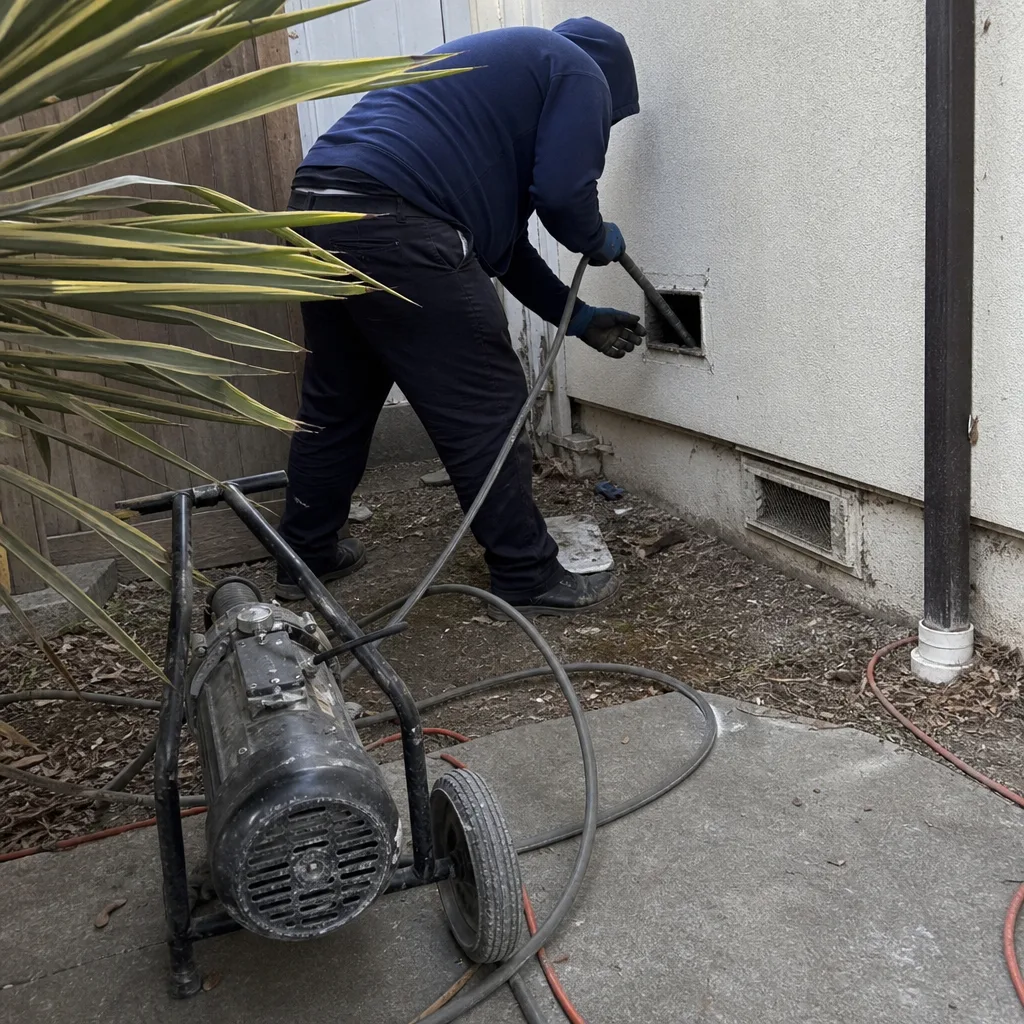 Before
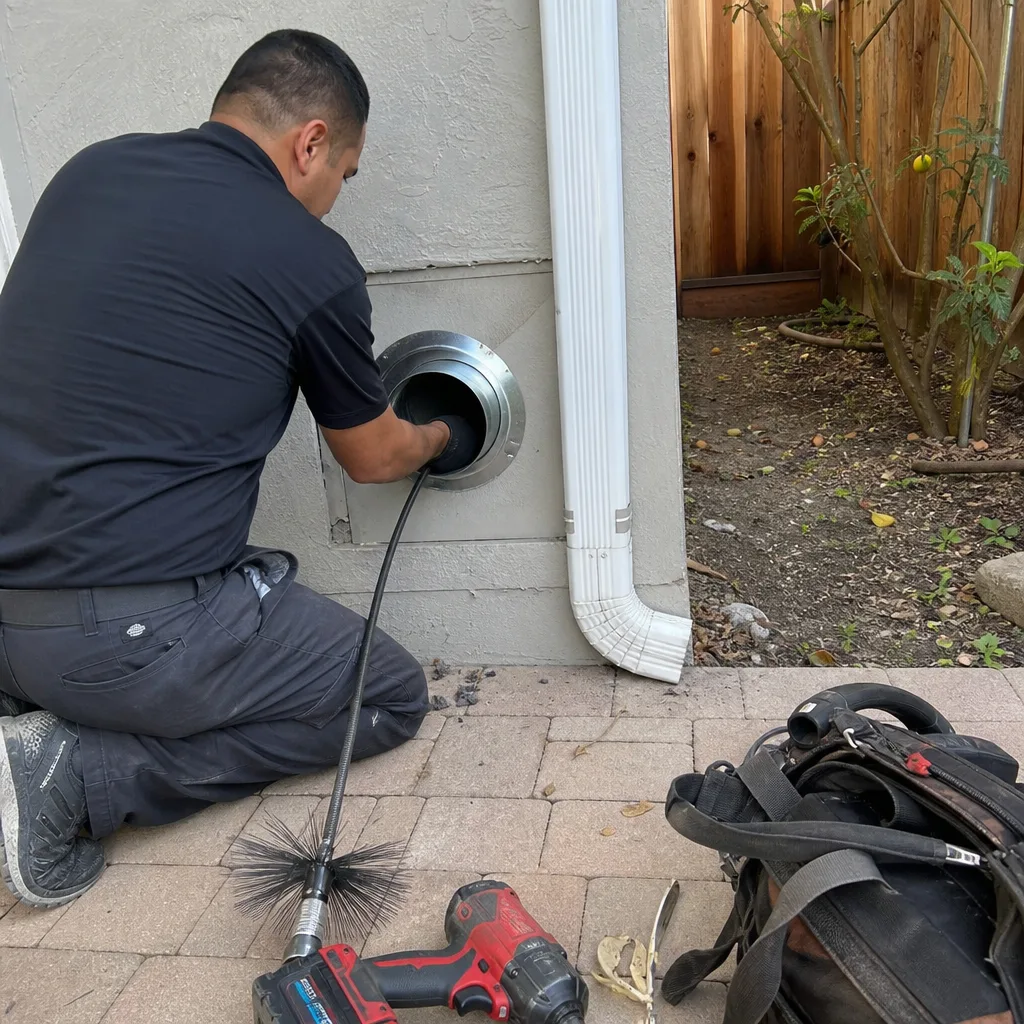 After
After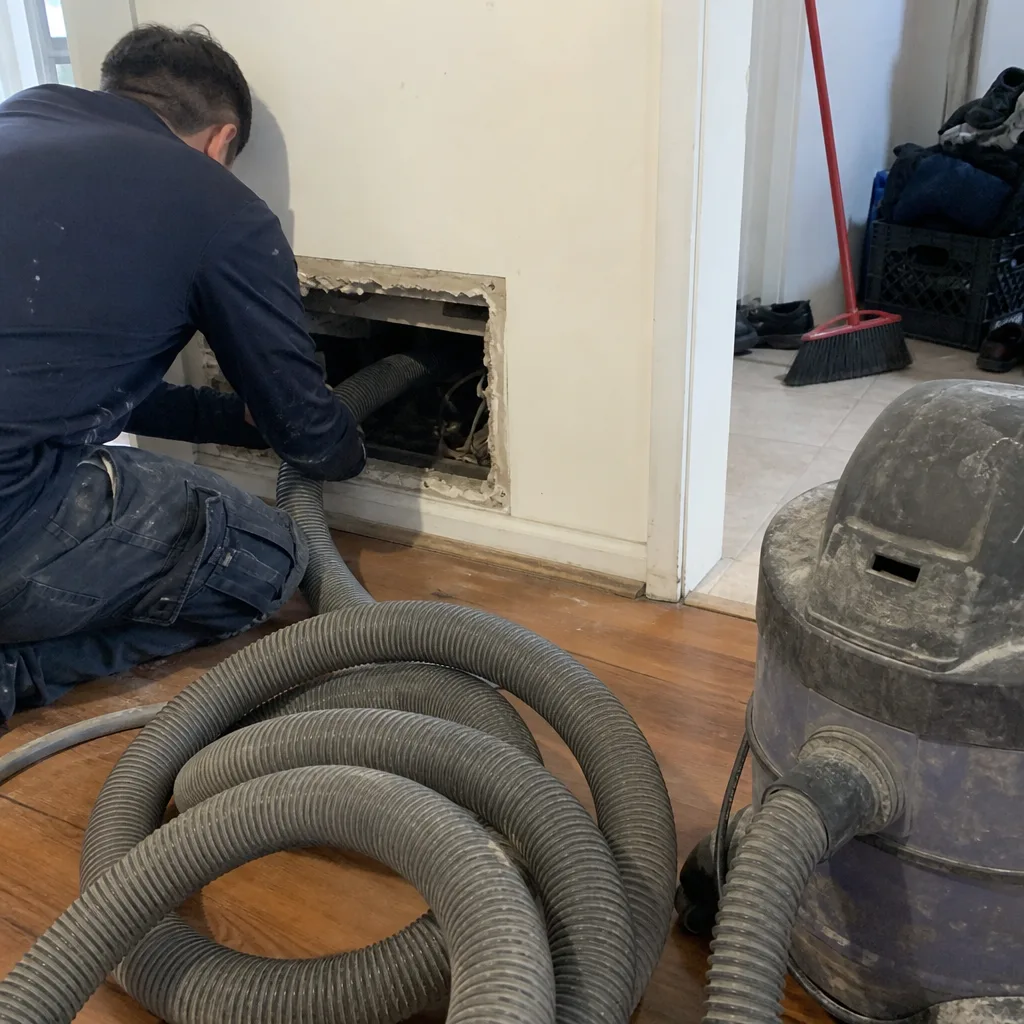 Before
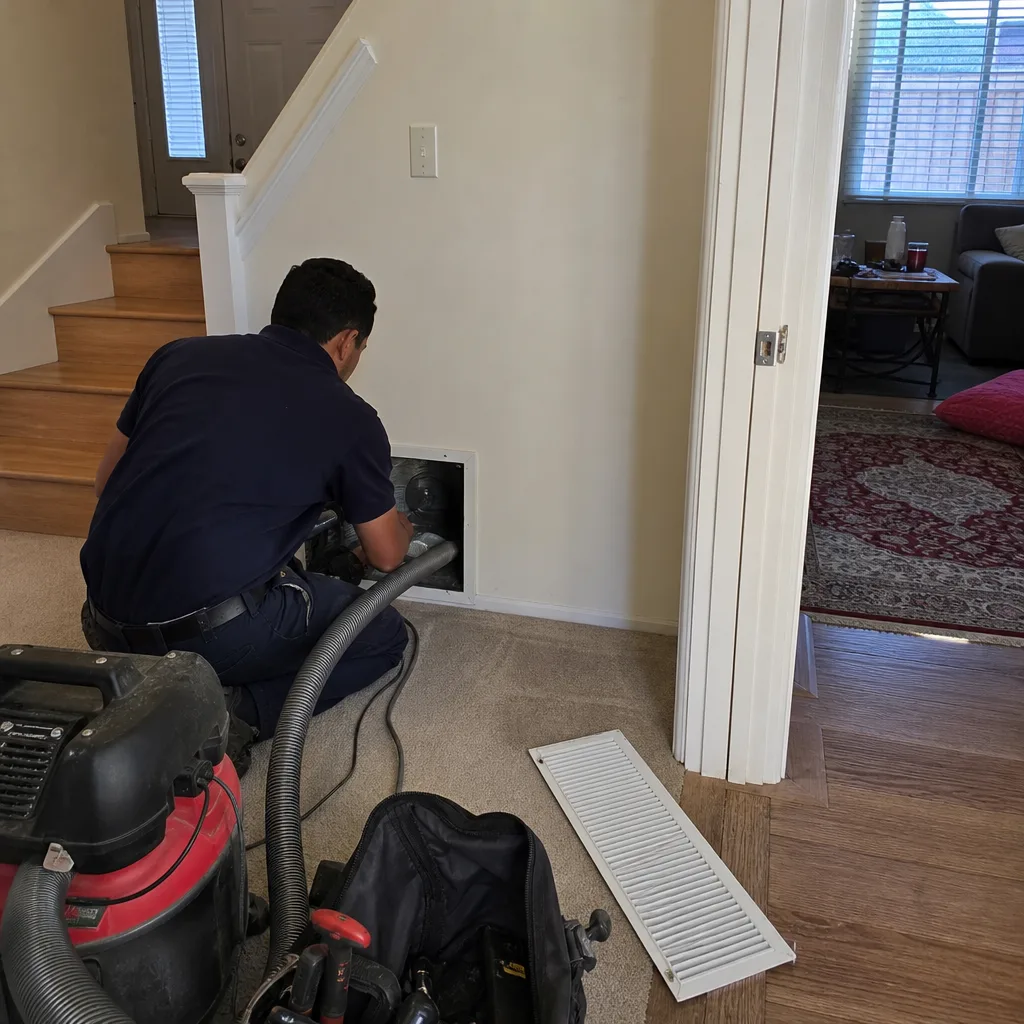 After
After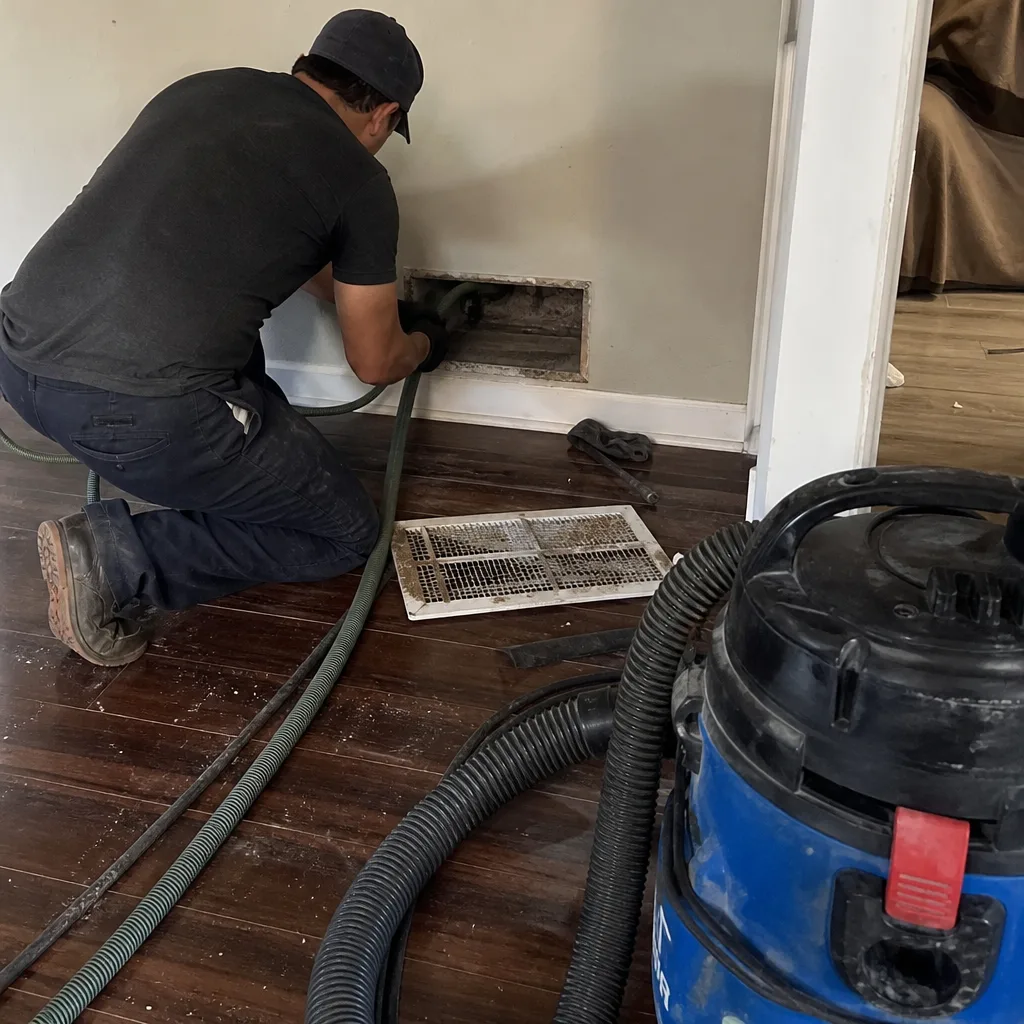 Before
 After
AfterReplacement Cost & What’s Included
For most San Jose homes, expect register and grille cleaning to run between $12 and $28 per unit when it is part of a whole-system air duct cleaning. A full-air-duct cleaning in a typical 1,800-to-2,400-square-foot San Jose house ranges from $450 to $750, with the grille and register detail work built into that price rather than billed separately. If you want the registers and grilles cleaned without duct cleaning, the cost per grille is typically higher because we are sending a truck and a technician for a smaller job.
What is included: each Honeywell register is removed from the opening, the duct collar behind it is vacuumed with a Nikro negative-air unit, the grille is washed in a non-caustic degreaser, the fins are straightened by hand, and the unit is reinstalled with the screws torqued just past finger-tight, which is exactly where Honeywell’s install guide says they should be. Every job includes the written price before we start and the 365-Day Done Right Promise in writing, which is our commitment to return and make it right at no charge if the work falls short within the guarantee period.
DIY or Call Us?
There are two things you can safely do yourself. First, remove the grille from the wall or floor by taking out the two screws, and look at the back side. If the buildup is light and dusty, a soft brush or a vacuum with a crevice tool will handle it. Second, check the filter. A clogged filter forces the system to pull air around the filter frame, which sends dirt straight into the grilles and ducts upstream.
Here is where DIY goes wrong on Honeywell registers: the fins are thin. A stiff brush, a steam cleaner set too hot, or a pressure washer will bend them, and the airflow pattern in that room changes permanently. We also see owners reinstall grilles with the screws driven too deep, which warps the frame against the drywall or flooring. And the practical reality is this: if the grille is dirty repeatedly, the duct behind it is the problem, and cleaning a grille alone is like washing the outside of a window when the inside is filthy. Call us at (669) 220-7869 if any of this rings true. We’ll give you a straight price over the phone.
FAQs
A Honeywell steel register or grille in a typical San Jose home lasts 15 to 25 years before the finish shows real wear. Coastal-adjacent neighborhoods, houses with pools, and homes where windows stay open a lot will land on the shorter end. Aluminum versions last longer, but they dent more easily during cleaning, which is why we handle them with care rather than aggressive scrubbing.
Yes, if the damage is limited to bent fins or surface rust. We straighten fins by hand with a soft-jaw tool and treat light rust with a metal-safe solution. If the frame is bent, the louvers are kinked at the base, or the rust has pitted through the metal, replacement is cheaper than repair. Call (669) 220-7869 and we’ll tell you which side of that line your grille falls on.
For a typical San Jose home with 10 to 14 grilles and registers, cleaning and reinstalling takes about 45 to 90 minutes when done as part of a full duct cleaning. If grilles are being replaced, plan on an additional 10 to 15 minutes per unit for the swap and airflow check.
We carry common Honeywell sizes, 4×10, 4×12, 6×10, and 12×12 return grilles, on the truck in both white and tan finishes. Odd sizes or specialty finishes are ordered from our local supply house and typically arrive within two business days. We also keep compatible replacements on hand for Lennox, Trane, and Carrier systems, in case your grilles are a mixed lot from a past renovation.
We show you before and after photos of every grille and the duct opening behind it, taken with a camera probe before and after extraction. Along with the written price and the 365-Day Done Right Promise, that photo set is part of the standard job record. As Dale Whitmore puts it, clean ducts don’t need a sales pitch, the airflow speaks for itself.
Written by Dale Whitmore, Owner, Kestrel Air Duct San Jose at Kestrel Air Duct San Jose, serving San Jose and nearby areas.