
Last updated October 15, 2026
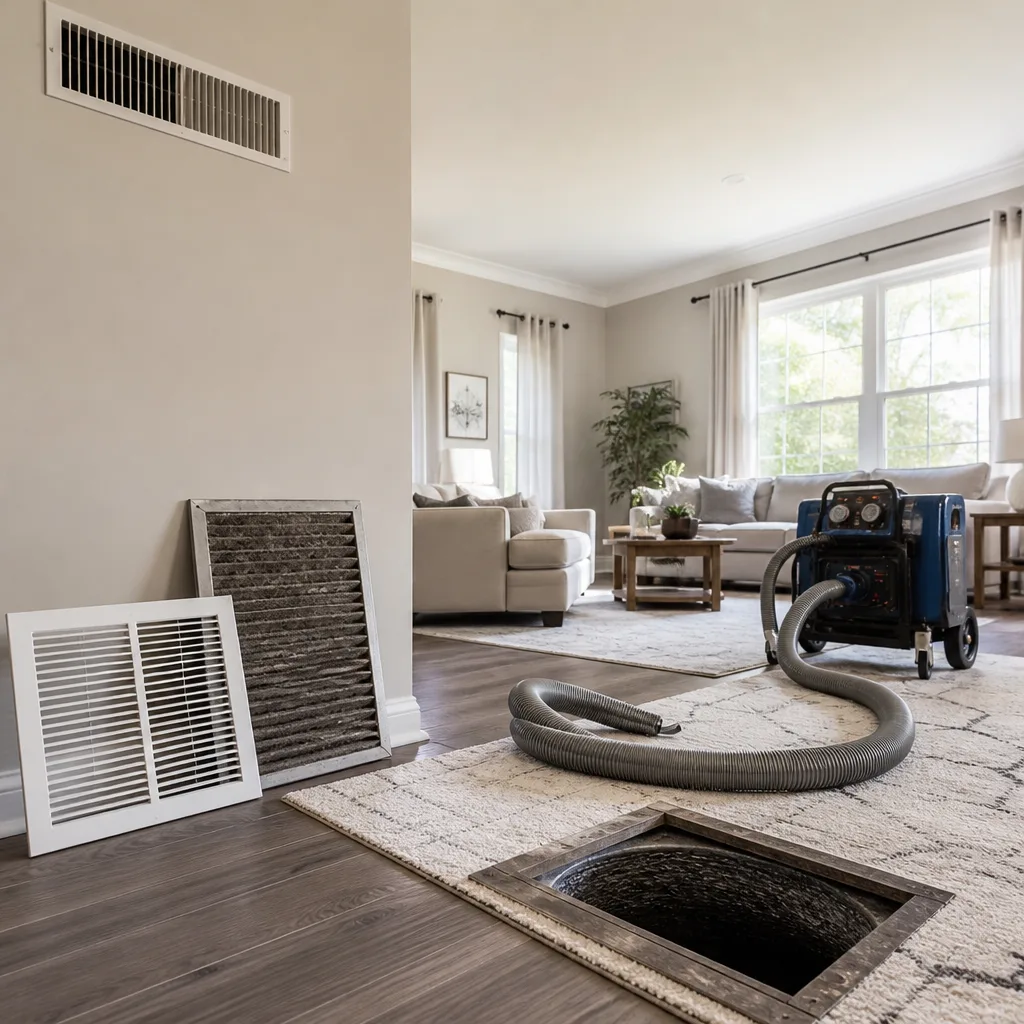 Whole-home duct cleaning
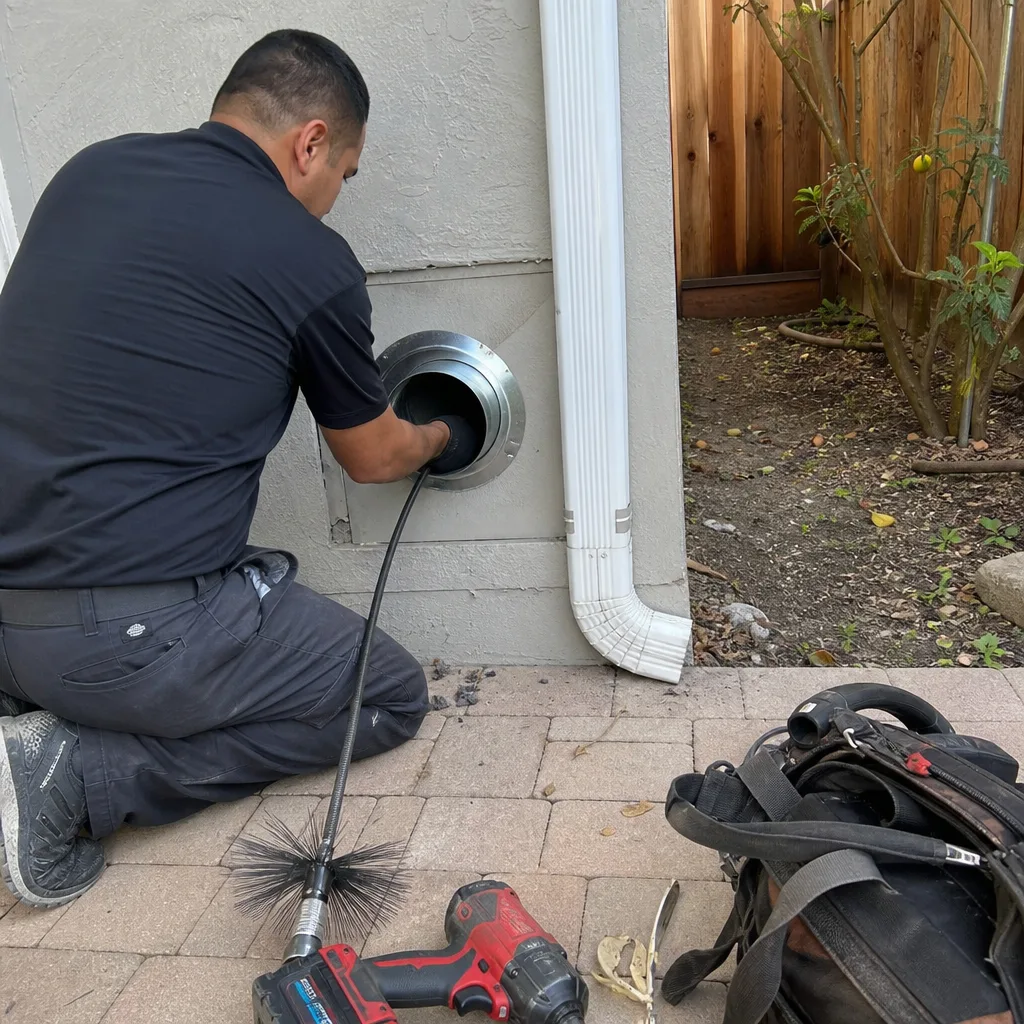
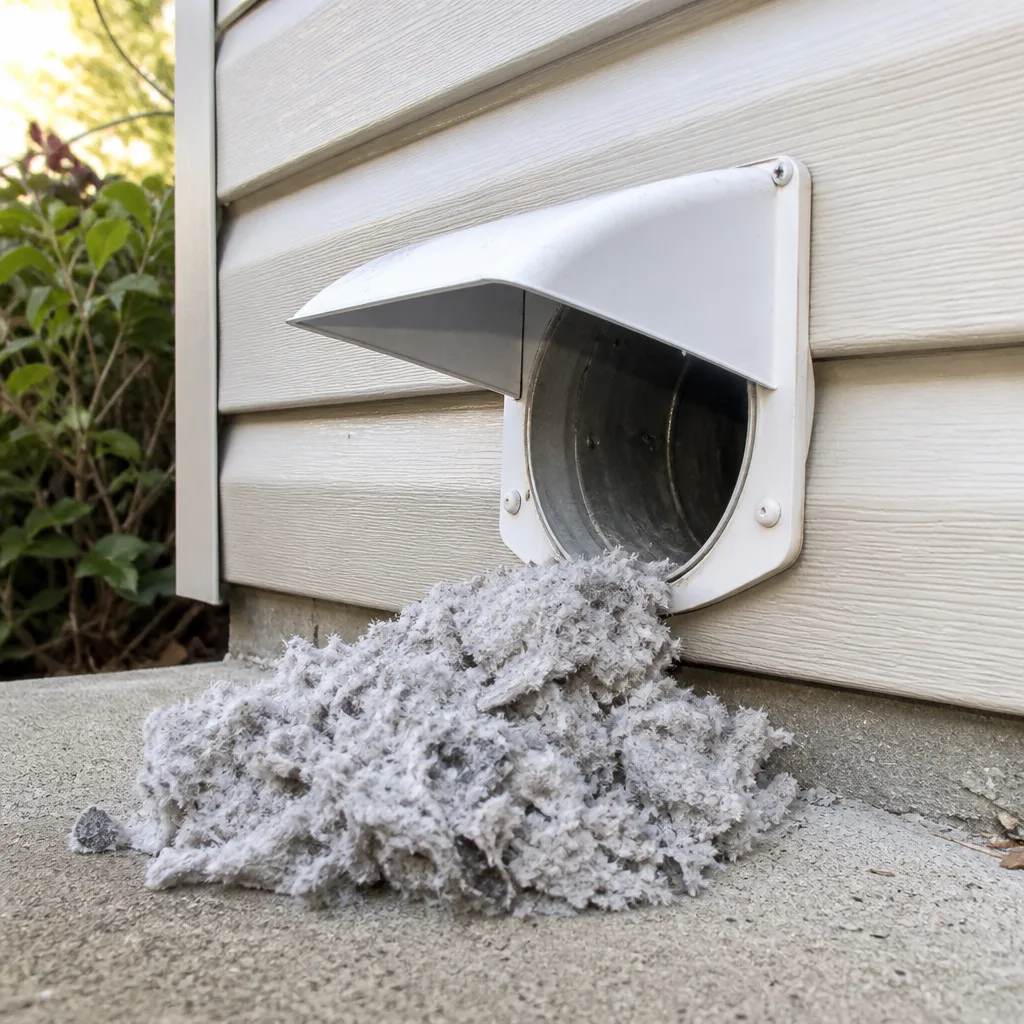 Dryer vent cleaning
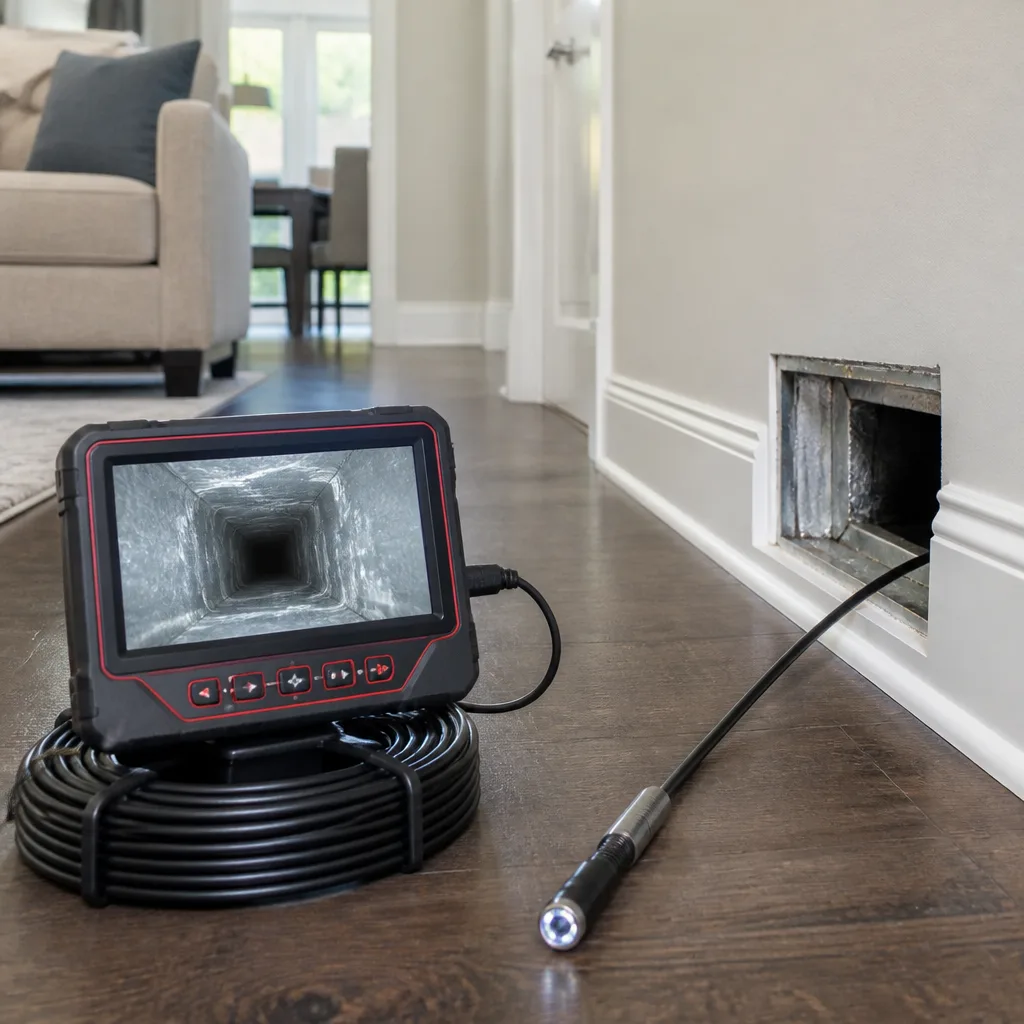 Camera inspection
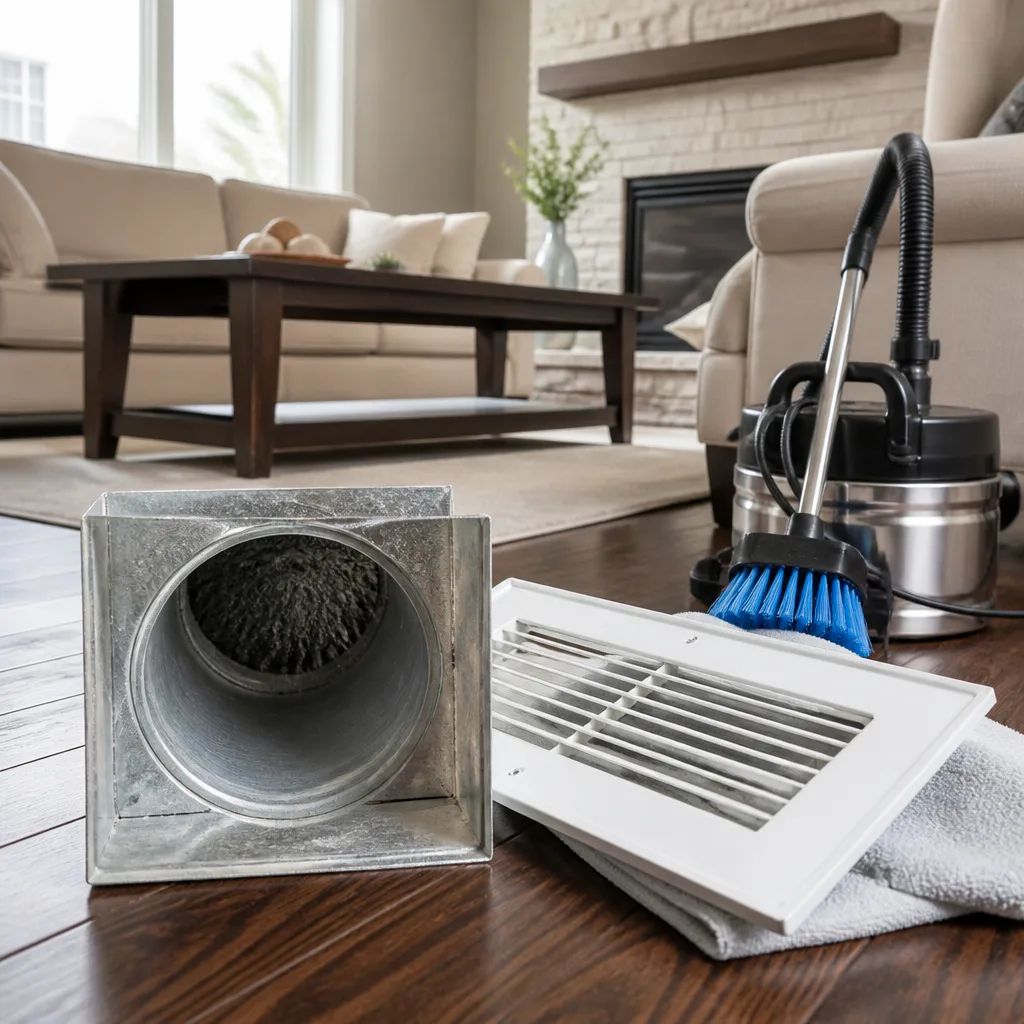 Sanitizing & deodorizing
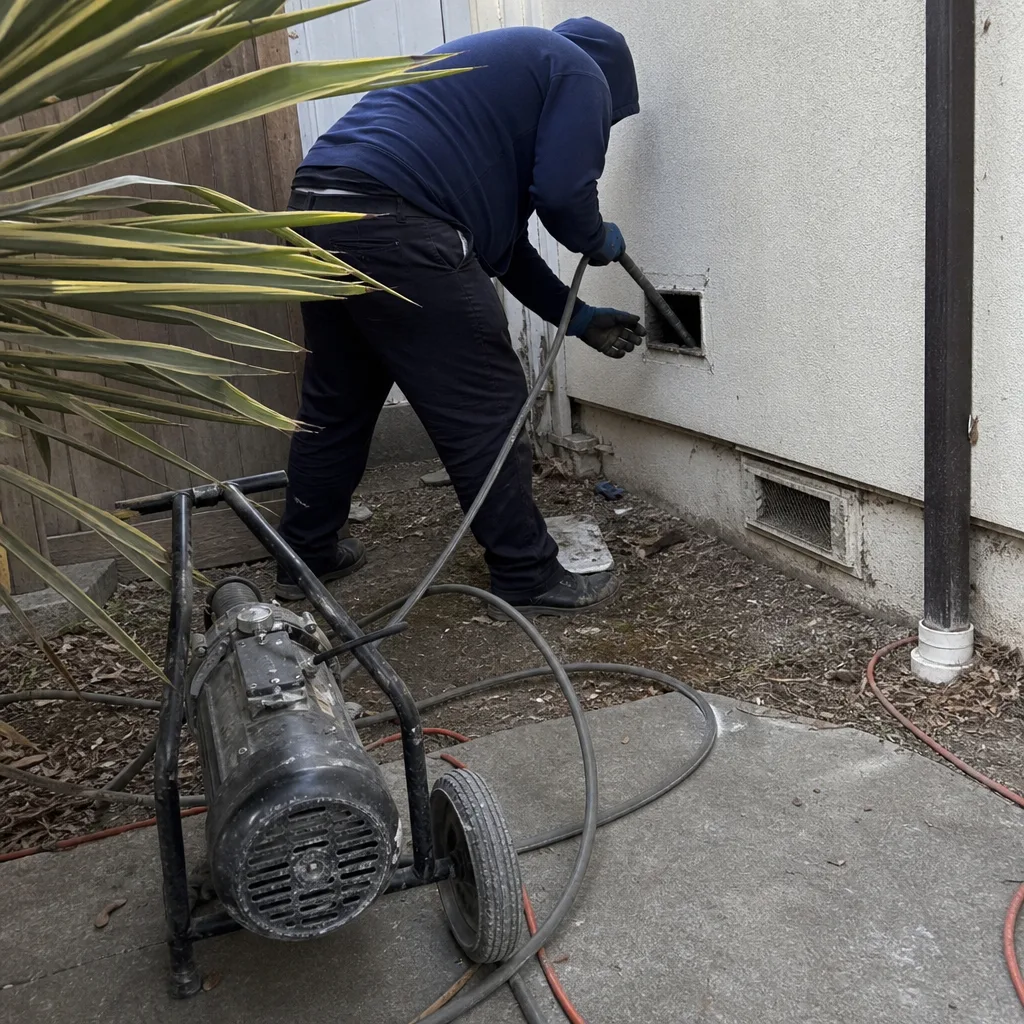
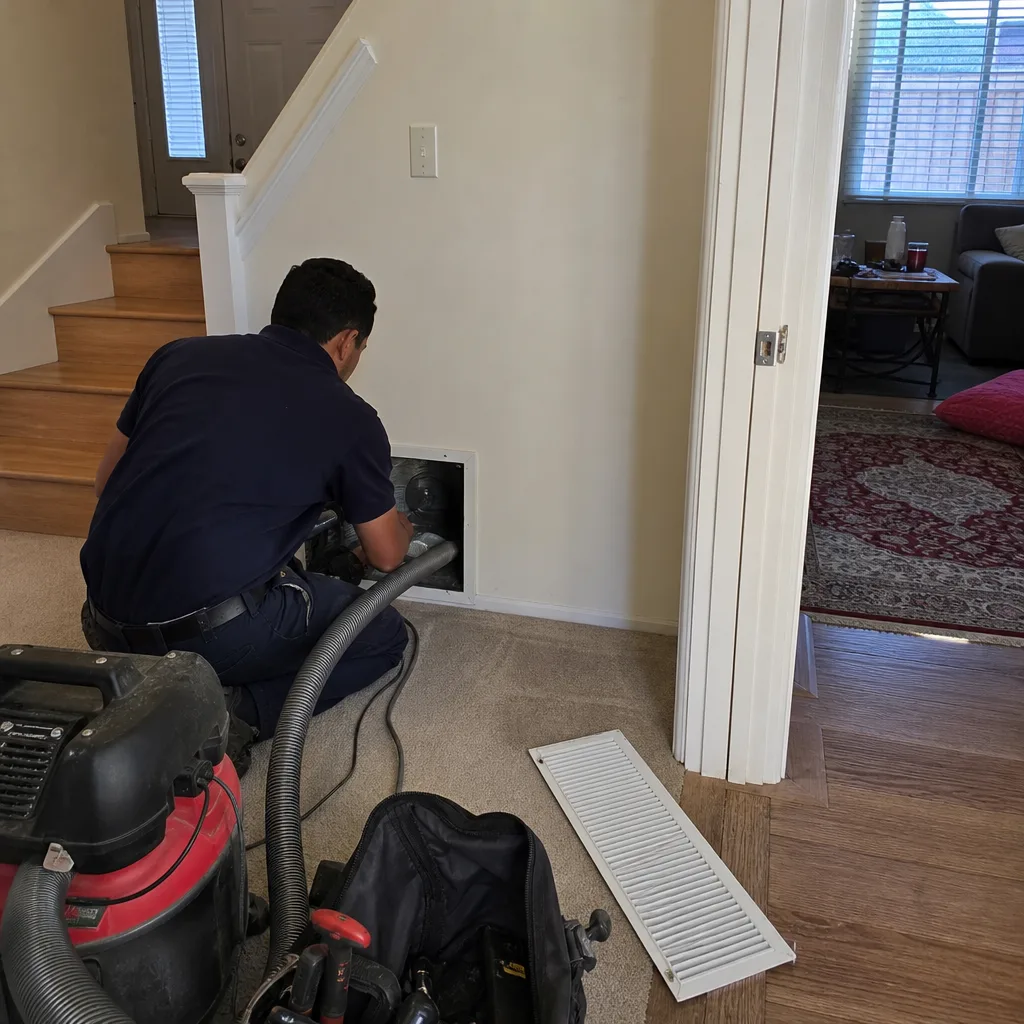
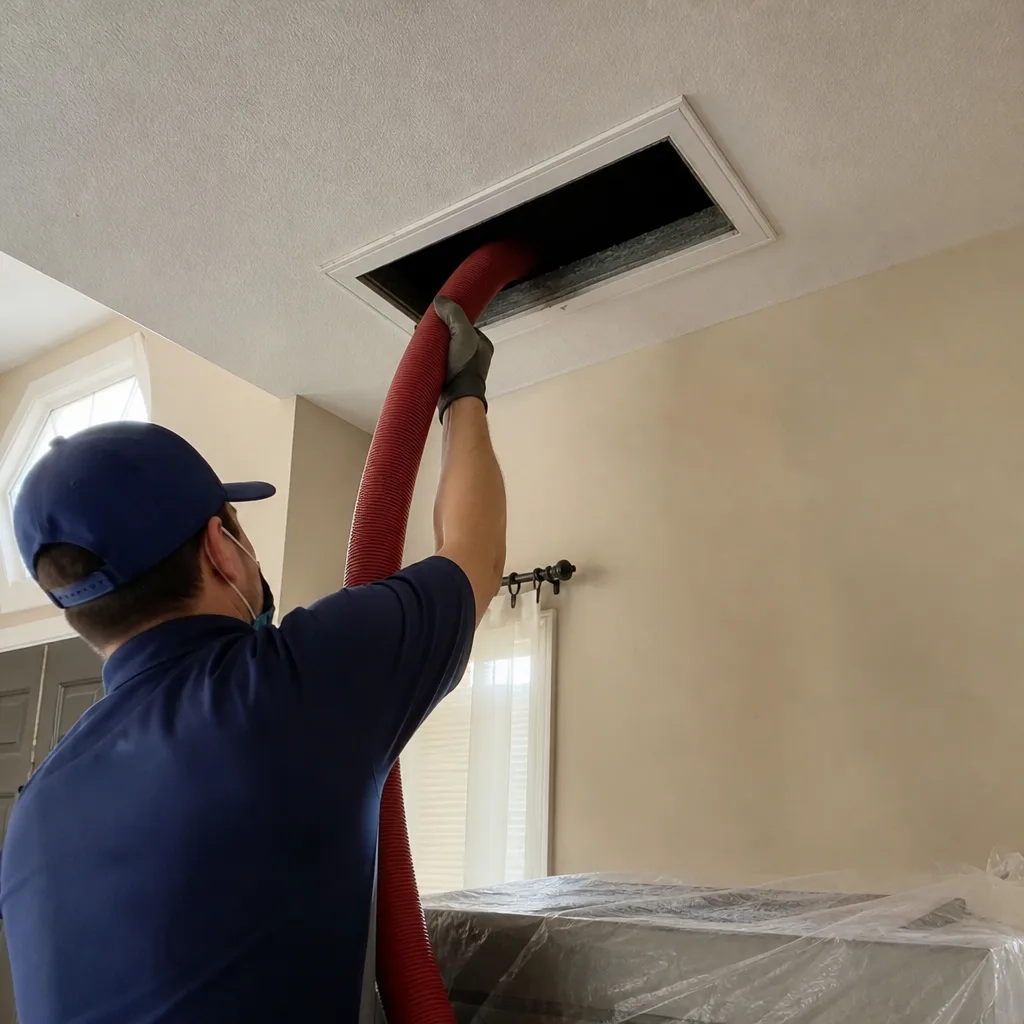
Whole-system duct and dryer vent check with before-and-after photos - you see exactly what came out of your vents
That "$99 whole-house special" is a bait ad - the real number appears once they are in your hallway, or the "clean" is a shop-vac at the register. We photograph the inside of your ducts before and after instead.
Air Duct Cleaning Warning Signs: A San Jose Homeowner’s Reference Guide
Most San Jose homeowners assume the first sign of dirty ducts is dust blowing out of the registers. By the time that happens, your system has already been working harder than it should for months, maybe a year. The earliest warning signs don’t show up as black smudges around the vent covers. They show up as a PG&E bill that climbs even though your habits haven’t changed, a filter that clogs twice as fast as it did last spring, and a back bedroom that never quite reaches the temperature on the thermostat. This guide walks through the signs that actually predict duct problems in San Jose homes, in the order they tend to appear, and explains what each one means and when it’s worth a closer look. For a deeper dive, see The Complete Guide to Air Duct Cleaning in San Jose.
Styles & brands we work with
Quick Answer
Air duct cleaning warning signs in San Jose include rising PG&E costs without a change in usage, air filters loading with dust faster than normal, uneven temperatures between rooms, a musty or sharp odor that returns soon after the system cycles off, and visible dust at supply registers. Visible dust at the register is one of the last indicators to appear. The earliest and most reliable warning signs live in your energy data and your filter replacement interval.
Table of Contents
- The PG&E Signal: Reading Your Energy Bill for Duct Problems
- The Filter Loading Test: A Quantified Early Warning
- Room-by-Room Airflow Imbalance as a Diagnostic Tool
- Odor Profiles: Mold vs. Dead Rodent vs. Accumulated Dust
- Visible Dust at Registers: The Late Stage Signal
- After a San Jose Renovation: The Drywall Dust Event
- Common Mistakes to Avoid
- When to Call a Professional
- Frequently Asked Questions
- The Bottom Line
The PG&E Signal: Reading Your Energy Bill for Duct Problems
Your PG&E account holds one of the most useful diagnostic tools a San Jose homeowner has, and almost nobody uses it. The utility’s online portal gives you a year-over-year usage comparison for every billing period. When ducts begin to restrict airflow, the HVAC system compensates by running longer cycles to hit the thermostat set point. The system isn’t working harder in the way most people imagine. It’s working longer. That longer runtime shows up directly in your kilowatt-hour usage.
Here’s how to read it:
- Log in to your PG&E account and open the “Energy Usage” or “Compare My Usage” section.
- Select the current month and look at the year-over-year comparison for the same billing period.
- Check whether your cooling degree days changed. PG&E shows this. A warmer summer raises AC demand for everyone. What you’re looking for is a usage increase that exceeds what the weather alone explains.
- Compare same-month usage across two consecutive years. If July 2024 used 18% more electricity than July 2023, but the average temperature was only 4% warmer, that gap deserves an explanation.
We’ve seen this pattern in homes across San Jose, from Almaden Valley to Berryessa. Usage climbs 10 to 20% over eighteen months, the thermostat stays at 74, and the owner attributes it to rate increases. Rates have gone up, which is exactly why dollar amounts alone mislead. Kilowatt-hours are the honest number, and PG&E shows them.
Three things can drive that kind of efficiency decline, and duct restriction is one of the most common. A refrigerant charge that’s drifted low is another. A condenser coil that’s choked with cottonwood and construction dust is a third. The duct system is the one most often ignored, because it’s the one nobody sees.
If your usage pattern matches this description, a professional Air Duct Cleaning in San Jose inspection should include static pressure testing and a visual inspection of the return side. Static pressure tells you in minutes whether the system is fighting a restriction. It’s not a guess.
The Filter Loading Test: A Quantified Early Warning
The air filter is the cheapest diagnostic instrument in your home. Every HVAC system pulls return air through a filter before it moves through the blower, across the coil, and into the supply ducts. The filter captures what’s floating in your indoor air. The rate at which it darkens and clogs is a direct measurement of how much particulate your system is moving.
Here’s the test, in three steps:
- Start with a fresh filter. Use the same brand, same MERV rating, same size you normally use. Write the date on the cardboard frame with a marker.
- Check it every two weeks. Hold it up to a light. You’re looking for the point where the light transmission drops noticeably and the surface appears gray or tan, not white.
- Track the interval. If you installed a filter on June 1 and it’s visibly loaded by June 21, that’s a 20-day loading cycle. If the same filter brand and rating took 45 days to reach the same condition last year, something changed.
A shortening filter interval is a quantified early warning. Here’s what it means in San Jose specifically. Our dry season runs from roughly May through October. In a mechanically sound duct system, indoor particulate generation stays relatively stable during those months because windows are closed and the AC runs. If your filter interval shortens during the dry season, the most likely explanations are:
- Return-side duct leakage. A gap or failed seal in a return duct pulls attic or crawlspace air into the system, bypassing the filter entirely and loading it faster with whatever the attic holds. In San Jose, that’s often blown-in insulation fibers, rat droppings, and decades of accumulated dust.
- Supply-side duct leakage. Air being pushed out of leaks creates negative pressure in the house, which pulls unfiltered outdoor air in through doors, windows, and wall penetrations. That unfiltered air ends up in the return stream.
- An internal contamination source. If the ducts themselves hold a heavy dust load from prior construction or years of accumulation, every cycle re-suspends some of it. The filter catches it. That’s why the interval shortens.
The filter loading test costs you nothing but five minutes every two weeks. It won’t tell you which of the three explanations applies. What it tells you is that your system is moving more particulate than it did before, and that’s a reason to look closer.
Room-by-Room Airflow Imbalance as a Diagnostic Tool
Every San Jose house with forced air has some temperature difference between rooms. That’s normal. South-facing bedrooms run warmer in the afternoon. Rooms over an unconditioned garage run colder in winter. The diagnostic value isn’t in whether rooms differ. It’s in whether the difference changed.
When ducts begin to restrict, either from internal accumulation or from leakage that developed at a joint, the airflow delivered to the rooms served by that duct run drops. The thermostat, which lives in a hallway or the living room, doesn’t know anything changed. It only measures the temperature in its immediate area. So the system reaches set point in the hallway and shuts down, while the far bedroom never got the airflow it needed.
Here’s a simple diagnostic procedure:
- Pick a baseline day. A day when outdoor conditions are unremarkable, neither a heat wave nor an unusual cold snap.
- Set the thermostat to a single temperature in the morning, say 74 degrees, and leave it there.
- Measure room temperatures with a digital thermometer in the mid-afternoon, around 4:00, when the system has cycled all day.
- Record the numbers. Master bedroom, each secondary bedroom, living room, kitchen.
- Repeat monthly. Or at minimum, once at the start of summer and once at the start of winter.
A room that was 2 degrees warmer than the thermostat last July and is 5 degrees warmer this July is not a thermostat problem. The thermostat is doing its job. The room isn’t receiving the conditioned air it used to. That points to the duct run serving that room. Either the run is partially collapsed or disconnected, a damper has shifted, or the internal cross-section is reduced by accumulated debris.
One specific pattern we’ve observed repeatedly in San Jose homes with mid-century ducting is this: the supply duct runs through the attic or crawlspace wrapped in fiberglass insulation. Over decades, that insulation degrades. The duct gets hotter in summer and colder in winter. Air leaving the plenum at 55 degrees arrives at the far register at 62 on a 95-degree day. The room never feels right. The fix isn’t always cleaning. But a pressure test and a register-by-register airflow measurement tell you exactly where the loss is happening before anything gets taken apart.
The Kestrel Air Duct San Jose home inspection process includes register-by-register airflow readings, not a visual-only walkthrough. That matters because a duct that looks fine from the outside can be losing 30% of its airflow to leakage you can’t see without instruments.
Odor Profiles: Mold vs. Dead Rodent vs. Accumulated Dust
Odor is the warning sign most San Jose homeowners notice first, which is unfortunate, because odor is also the easiest to misread. The problem with describing a smell to a technician over the phone is that words like “musty” and “stale” get used for three completely different conditions that require three different responses. Here’s how to tell them apart.
Mold and microbial growth
This is the classic “musty” smell, but it has a specific character. It’s damp, organic, and slightly sweet, like leaves in a rain gutter or a towel that didn’t fully dry. Crucially, mold odor in ducts tends to be persistent. It’s present when the system runs and lingers when it’s off. It concentrates at supply registers. In San Jose, mold in ducts almost always traces back to either a condensation event (a coil drain pan that overflowed, a duct sweating in an unconditioned attic) or a moisture source the homeowner doesn’t know about. If you smell this, the right response is an inspection with moisture assessment, not just a cleaning.
Dead rodent
This odor is unmistakable once you’ve smelled it, but the first time, many people describe it as “musty” too. It’s not. It’s sharp, pungent, and biological, like rotting meat or concentrated cat urine. It comes in waves and often gets stronger when the system cycles on, because the blower is pulling air across the carcass. It tends to localize to one or two registers. A dead rodent in a duct is a different job than accumulated dust. The carcass has to be removed and the area disinfected. If the duct cleaning company doesn’t handle that specifically, you need pest remediation first.
Accumulated dust and debris
This is the smell most people call “stale” or “dusty.” It’s dry, flat, and slightly acrid, like an old vacuum cleaner bag or a furnace kicking on for the first time in fall. It comes from years of fine particulate, skin cells, fabric fibers, and kitchen grease that’s coated the inside of the ductwork. The defining characteristic is that it’s worse at startup, when the blower first kicks on and re-suspends the material, then fades as the run continues. Accumulated dust is what a thorough Air Duct Cleaning in San Jose service addresses directly.
The odor profile matters because the response differs. Dust responds to cleaning. Mold requires finding and fixing the moisture source, then microbial treatment. A dead rodent requires removal and disinfection. Calling with the right description saves a follow-up visit.
Visible Dust at Registers: The Late Stage Signal
This is the sign most people associate with dirty ducts, and it’s the one that shows up last. By the time you see dark smudges around a supply register or fine gray dust coating the wall above a vent, the duct system has been moving that material for a long time.
Understand what visible register dust actually means. Air leaves your supply register at a higher velocity than anywhere else in the room. That velocity carries the finest particles with it. Some of those particles deposit on the wall and ceiling around the register through a process called thermal deposition: the air right at the wall surface is slightly cooler, which causes particles to settle out. The smudging around a register is essentially a photograph of what’s been moving through that duct.
By the time the deposit is visible, two things have already happened:
- The duct interior carries a significant particulate load. The volume of material necessary to produce visible wall deposition over weeks or months means the internal surfaces are coated.
- The homeowner has been breathing this air. The same particles that deposit on the wall also enter the breathing zone. A register with visible gray smudging has been delivering those particles into the living space every cycle.
Visible dust at the register is still a useful sign, because it confirms the system needs attention. But treating it as the first sign means ignoring months of earlier data. If you’re seeing register dust, check the filter interval and the PG&E comparison. You’ll typically find the corroborating evidence already in place.
After a San Jose Renovation: The Drywall Dust Event
San Jose has an older housing stock in transformation. Homes built in the 1950s through the 1980s dominate many neighborhoods, and renovation activity is constant. The single highest-contamination event most homeowners never account for is drywall dust from a remodel.
Drywall dust is not like normal household dust. It’s a fine, uniform silica-based powder, much finer than the organic dust of skin cells and fabric fibers. It behaves differently in an HVAC system. Normal household dust is relatively coarse and tends to settle out in the return plenum and the first few feet of the return run. Drywall dust is fine enough to stay suspended through the return system, pass through the blower, and deposit throughout the entire supply side, including the coil. Once on the coil, it bonds with condensation and forms a paste that dries into a hard, insulating film. That film reduces heat transfer efficiency and restricts airflow across the coil.
Here’s the sequence that matters:
- Renovation generates dust for weeks, not just during the demolition phase. Sanding drywall compound produces dust days after the drywall is hung.
- The HVAC system runs during construction. Many contractors don’t seal off supply and return registers, and most homeowners don’t know to ask.
- Fine dust is pulled through the return side and distributed through the entire system.
- The coil takes a coating that reduces its ability to transfer heat. The system runs longer to compensate. Efficiency drops.
- Months later, the filter clogs faster and the energy usage is up, and the homeowner doesn’t connect either one to the remodel that finished last spring.
In a perfect world, every San Jose renovation would include sealing the registers, protecting the return, and a professional duct cleaning after the final sanding. In practice, almost none do. If you’ve had drywall work, flooring work, or any renovation sanding in the past two years and you’re seeing higher energy use, that’s not a coincidence. The duct system collected the fine fraction of the dust, and it’s still there.
One point worth making plainly: a standard box-store shop vacuum is not a substitute for professional extraction equipment. Drywall dust is fine enough to pass through typical shop-vac filters and re-enter the room. Professional systems such as a Rotobrush rotary brush paired with a Nikro negative-pressure unit capture the fine fraction at the source. The brush dislodges material bonded to the duct wall; the negative-pressure unit keeps it out of the living space while the work happens. That distinction is the difference between removing drywall dust and redistributing it.
Common Mistakes to Avoid
- Treating visible dust as the only signal. By the time register dust is visible, the system has been underperforming for months. Check the bill and filter interval first.
- Comparing dollar amounts on PG&E bills without checking kilowatt-hours. Rate changes distort dollar comparisons. Kilowatt-hours are the real usage signal, and they’re in the same portal.
- Assuming a temperature difference between rooms is a thermostat issue. Thermostats rarely drift. A growing temperature spread between rooms is a duct airflow issue until proven otherwise.
- Ignoring the filter interval change. A filter that used to last 45 days and now lasts 20 is a diagnostic measurement, not a nuisance. Something increased the particulate load in the system.
- Running the HVAC during renovation without sealing registers. Even a weekend project that includes drywall sanding can introduce enough fine dust to coat the coil. Seal the registers and returns, or have the system cleaned afterward.
- Chasing the lowest quoted price without asking what’s included. In duct cleaning, the lowest quote often means surface-level brushing of a few accessible registers. Ask specifically whether the service includes negative-air extraction and brush agitation through the full supply and return system.
- Waiting for an odor to become obvious before investigating. Odor in ducts is one of the later signals, and by the time it’s strong enough to notice daily, whatever is causing it has been present for some time. A mild odor that comes and goes deserves attention now, not later.
When to Call a Professional
Not every warning sign requires an immediate service call. A filter that loads a few days faster than last year in the middle of a dusty construction season may resolve on its own. But some patterns point clearly to a problem where waiting only makes it worse. Call a professional when you see any of these: a year-over-year kilowatt-hour increase of 10% or more without a matching weather change, a filter interval that has shortened by half or more, a room that was 2 degrees off set point and is now 5, a persistent musty odor at the registers that doesn’t fade, or visible dust accumulation returning within weeks of dusting the same surface. Kestrel Air Duct San Jose offers our Air Duct Cleaning services with free estimates in San Jose. Call (669) 220-7869 and we’ll tell you what’s needed, in plain English, with a written price before any work begins.
Frequently Asked Questions
The earliest reliable indicators are a rising kilowatt-hour usage pattern on your PG&E account without a matching weather change, a shortening filter replacement interval, and growing temperature differences between rooms served by the same system. Visible dust at the registers is a later signal. If two or more of these signs are present, a professional inspection with static pressure testing and visual assessment is warranted.
Most San Jose homes run between $450 and $900 for a complete air duct cleaning of the full supply and return system, depending on home size, number of registers, accessibility of the ductwork, and the degree of contamination. A written price covers the job before work begins, with no per-vent upcharges or door-step revisions. Call (669) 220-7869 for a free estimate specific to your home.
The low advertised price in this industry is often a foot-in-the-door figure. The technician arrives, opens one or two registers, and suddenly the job requires “deep cleaning,” sanitizing, or additional sealing at several times the original quote. A reputable company quotes the whole-system price up front. The work either includes negative-air extraction and full brush agitation through the supply and return sides, or it doesn’t. That’s the difference, not the advertised number.
Ask for before-and-after photos of the interior of your own ducts, not stock photos. Any company using professional-grade equipment such as Rotobrush brush systems and Nikro negative-pressure units can show you the interior surfaces before and after treatment. If a company can’t or won’t provide photographic evidence of your ductwork, treat that as a red flag.
Most San Jose homes benefit from a professional duct cleaning every 3 to 5 years. Homes with shedding pets, recent renovation work, smokers, or allergy-sensitive occupants may need it more often. The best schedule isn’t a fixed number. It’s the one determined by your filter interval, your energy usage patterns, and what a visual inspection shows. If your filter interval has shortened significantly, cleaning sooner than later makes sense.
They’re different systems with different contamination profiles. Air duct cleaning addresses the HVAC supply and return ductwork that conditions the living space. Dryer Vent Cleaning in San Jose addresses the exhaust duct that carries lint, heat, and moisture from the dryer to the outside. A clogged dryer vent is a fire hazard and should be cleaned annually. A contaminated HVAC duct system is an efficiency and air quality issue. Both matter, for different reasons.
Duct systems that hold accumulated dust, pollen, pet dander, and mold spores re-suspend those particles into the living space every time the blower runs. If you notice allergy symptoms that improve when you’re away from home and worsen when the HVAC runs, the duct system is a plausible contributor. A cleaning that removes the accumulated load typically reduces the particle count in the indoor air. Products like an Aprilaire filtration unit or Guardsman IAQ controls can help maintain cleaner air between service visits for households that need it. Call (669) 220-7869 to discuss whether those additions make sense for your situation.
The Bottom Line
The warning signs that actually predict duct problems in San Jose homes are mostly invisible to the nose and eye. The patterns in energy usage, filter loading, and room temperature differentials give earlier and more reliable signal than anything you can see or smell. Watch the kilowatt-hours. Mark the date on every filter. Measure room temperatures twice a year. Compare the numbers over time. When the pattern points to a duct problem, act on it. The cost of a professional cleaning is modest compared to the cost of running a restricted system for another year. For more guides & resources on maintaining your HVAC system, visit our blog. And when you call, ask for the written price before any work begins. If a company won’t put the number in writing up front, that tells you everything you need to know.
Written by Dale Whitmore, Owner at Kestrel Air Duct San Jose, serving San Jose since 2004.
See the difference
 Before
 After
After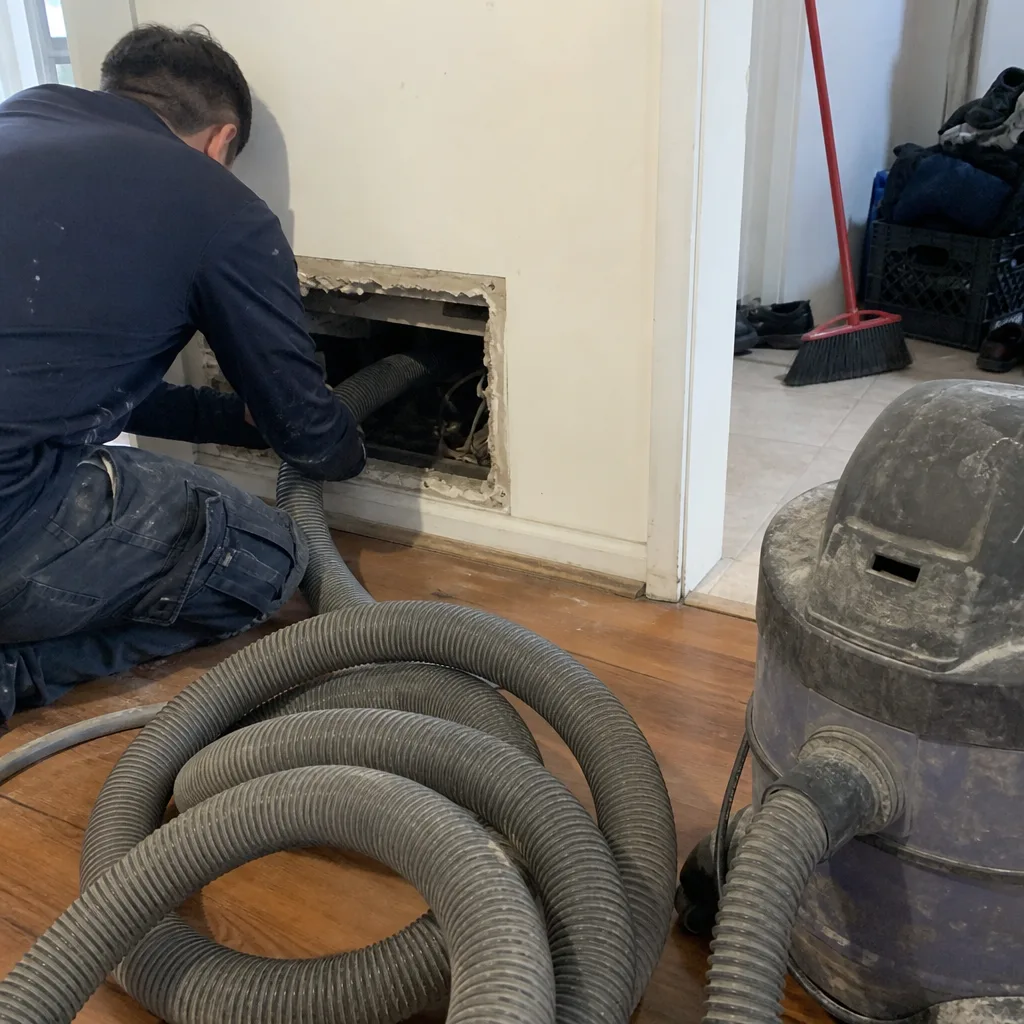 Before
 After
After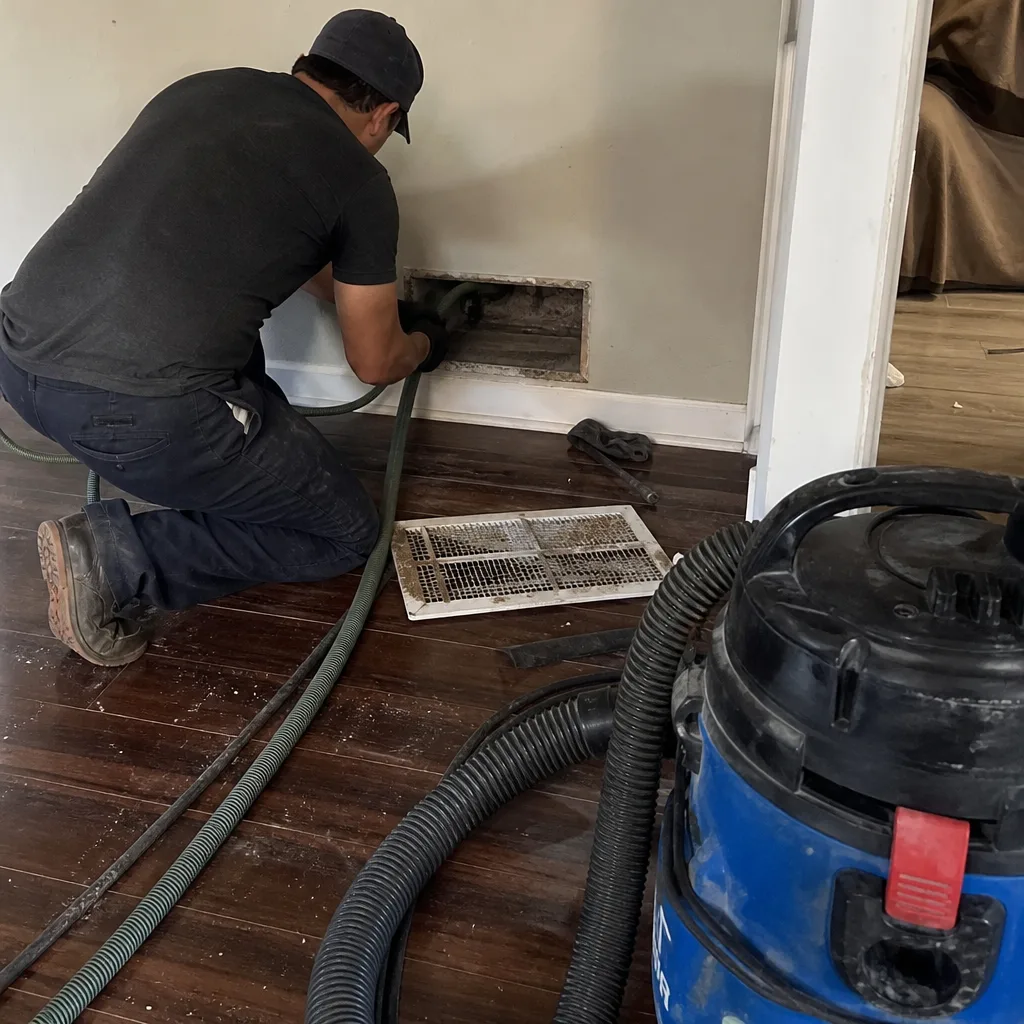 Before
 After
After