
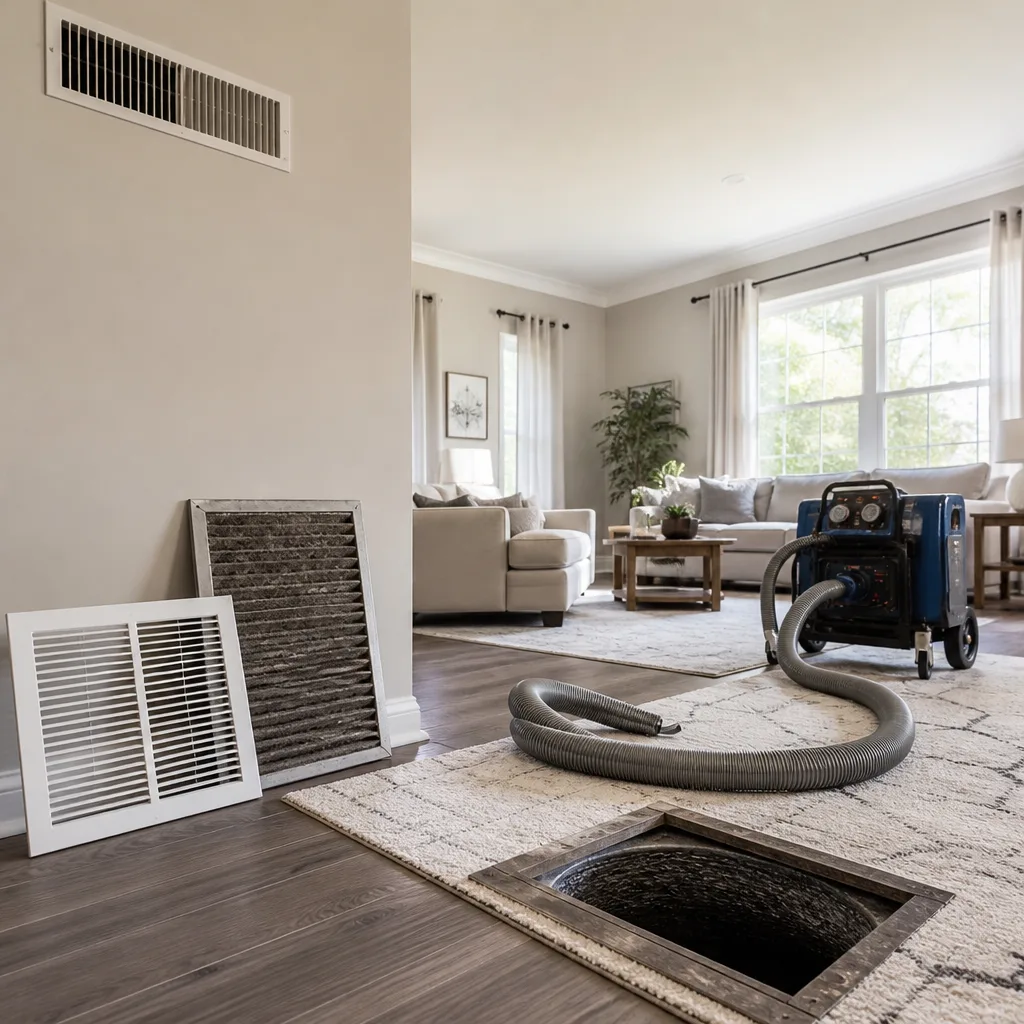
 Whole-home duct cleaning
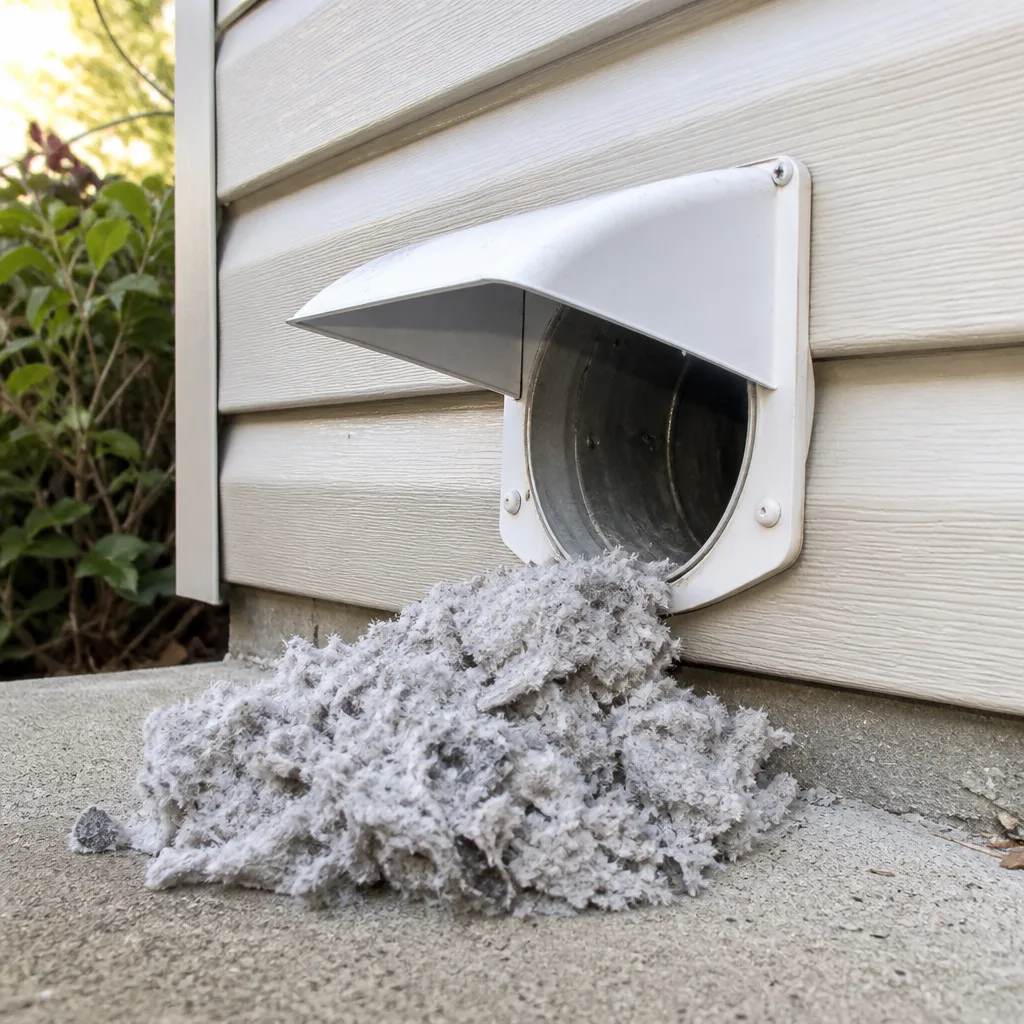 Dryer vent cleaning
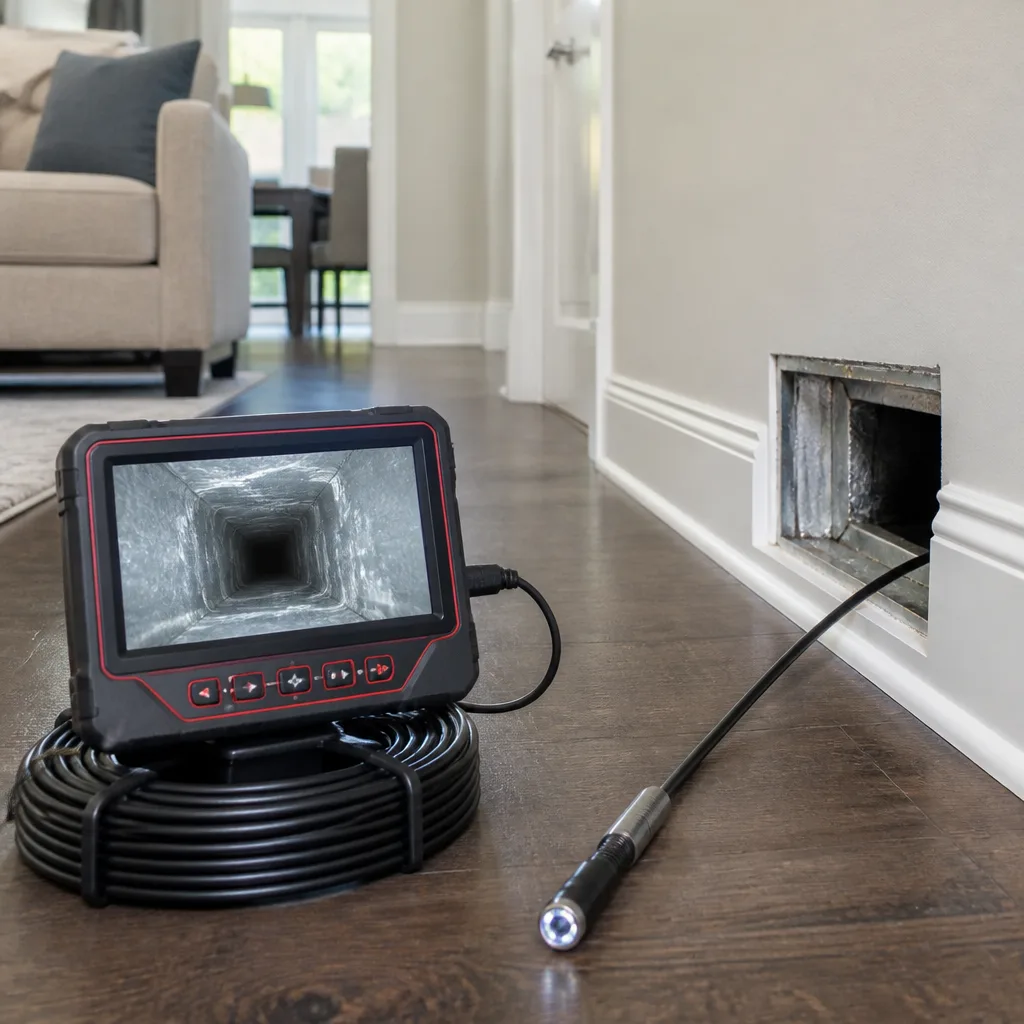 Camera inspection
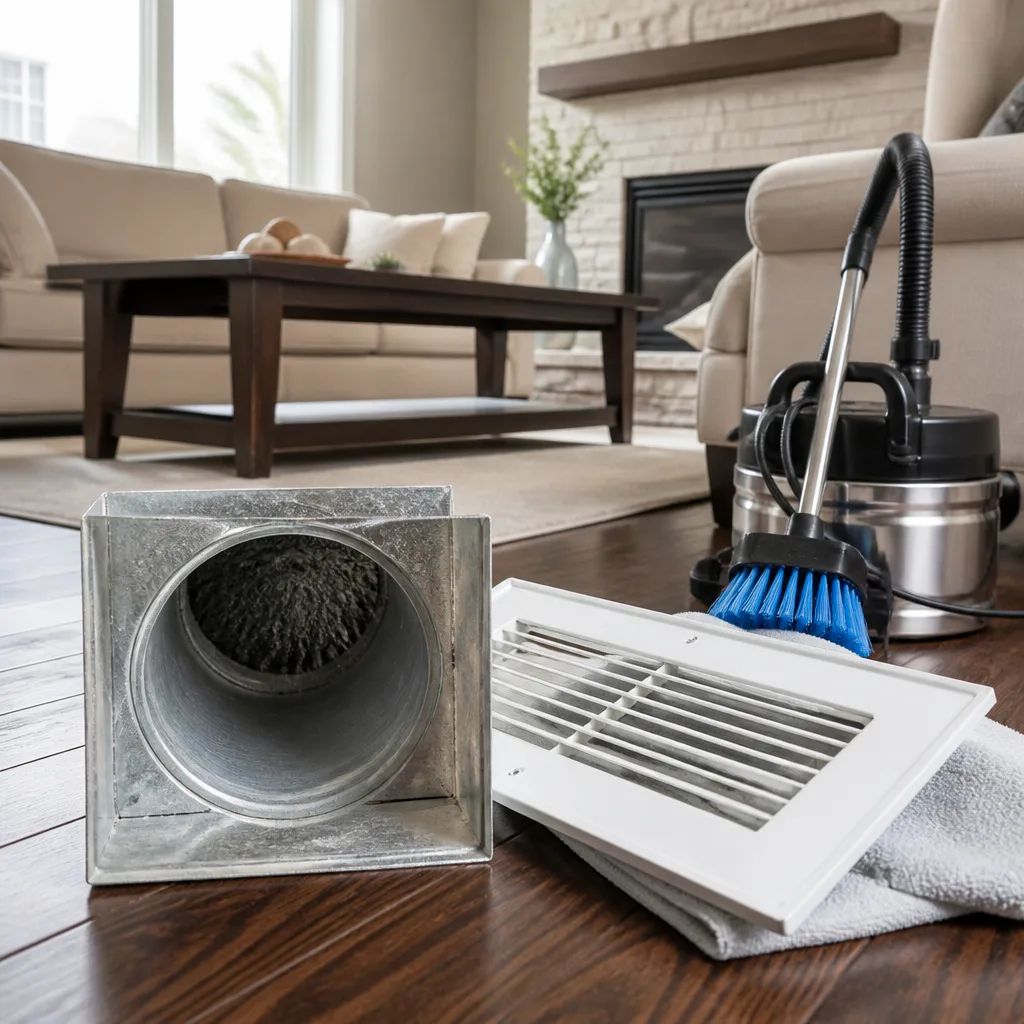 Sanitizing & deodorizing
Whole-system duct and dryer vent check with before-and-after photos - you see exactly what came out of your vents
That "$99 whole-house special" is a bait ad - the real number appears once they are in your hallway, or the "clean" is a shop-vac at the register. We photograph the inside of your ducts before and after instead.
Rotobrush Vent Sanitizing: The San Jose Owner’s Guide
If you’re in San Jose and your Rotobrush system isn’t sanitizing the way it used to, we can help. Kestrel Air Duct San Jose carries Rotobrush-compatible sanitizing parts and installs them for most homes between $190 and $410 depending on the unit and what’s failed. We keep common Rotobrush sanitizer components on the truck, so in many cases we can diagnose and complete the swap the same day we arrive.
The way most San Jose owners discover this part has failed is subtle. You finish a cleaning job and notice the sanitizing output is weak, the spray pattern is uneven, or the unit makes a different sound than it did last month. Sometimes the sanitizer reservoir drains faster than it should. Other times there’s no visible mist at all. Whatever the clue, the fix usually comes down to a handful of specific components: the pump, the nozzle assembly, the atomizer tip, or the feed line. And it’s a fix worth getting right, because a Rotobrush that isn’t sanitizing properly is doing half its job.
Key takeaways:
- We’re an independent San Jose service provider, not affiliated with Rotobrush. We install and source compatible parts, not factory-direct components sold under the Rotobrush label.
- Common failure points: the sanitizer pump, the spray nozzle, and inline filters that clog with residue over time.
- Most Rotobrush sanitizing repairs in San Jose land between $190 and $410 installed, parts and labor included in one written price.
- Our 365-Day Done Right Promise covers the repair in writing. If it fails within the year, we come back and make it right at no charge.
Which Rotobrush Models This Applies To
Rotobrush has put the sanitizing function under a few different names over the years, and the compatibility details matter. The most common units we see in San Jose are the AiR+ and the earlier aiR2 models, both of which use a liquid spray system mounted near the main brush head. On these, the sanitizer pump and nozzle assembly are the parts that wear out first. Some smaller Rotobrush hand tools and older belt-driven units use a passive or gravity-fed sanitizer path, which is a different setup entirely.
Here’s the compatibility gotcha: the nozzle thread pitch changed between the aiR2 and AiR+ generations. A nozzle that threads cleanly onto an aiR2 will cross-thread on the newer AiR+, even though both look nearly identical at a glance. If you’re ordering parts online without checking your unit’s serial plate first, this is where owners get burned. The serial plate is usually on the back of the main housing near the power cord strain relief. It lists the model line and a date code; the last two digits of the year tell you which generation you have.
On the OEM-versus-aftermarket question, our position is plain. We use quality aftermarket pumps and nozzles that are built to the same fitment and output specifications as the Rotobrush originals, at a meaningfully lower installed price. The OEM pump is a solid unit, but the aftermarket equivalent we stock has a ceramic shaft that resists the buildup that kills the factory pump’s seals. In dry San Jose summers, sanitizer residue evaporates faster and leaves concentrated deposits on moving parts. The ceramic shaft handles that better. If you’d rather stay OEM, we’ll quote it and install it the same way. The written price still comes before we touch anything.
We also keep sanitizing feed components for commercial Rotobrush systems that run through Lennox, Trane, or Carrier ductwork. The sanitizer parts themselves are the same or similar across those installs; it’s the mounting hardware that varies.
Styles & brands we work with
Signs Your Rotobrush Vent Sanitizing Is Failing
- Weak or intermittent spray pattern. When the nozzle tip has partial blockage, the sanitizer comes out as a dribble rather than a fine mist. This is the most common early warning, and it usually means residue has crystallized around the tip. Running more sanitizer through it doesn’t clear it; the tip needs to come off and either be cleaned properly or replaced.
- Pump runs but nothing sprays. This typically points to a failed pump diaphragm or an air leak in the feed line. The pump motor will still hum like it’s working, which fools a lot of owners into thinking the electrical side is fine. It’s not; the diaphragm has likely torn.
- Sanitizer leaks from the base of the unit. The feed line fittings at the reservoir can crack after enough heat cycles, especially in uninsulated garages around San Jose where summer temperatures swing 30 degrees between morning and afternoon. The plastic gets brittle and the fitting lets go.
- Reservoir drains faster than normal. If you’re going through sanitizer at twice your usual rate, check for a cracked reservoir or a fitting leak before assuming the spray output is normal. You’re paying for liquid that’s puddling inside the housing, not cleaning ducts.
- No visible mist, but the reservoir is full. This is the classic end-stage failure: the atomizer tip is fully blocked or the pump has seized entirely. In our San Jose service area we see this most often on units that run frequently but sit idle through the winter, when leftover sanitizer hardens in the lines.
See the difference
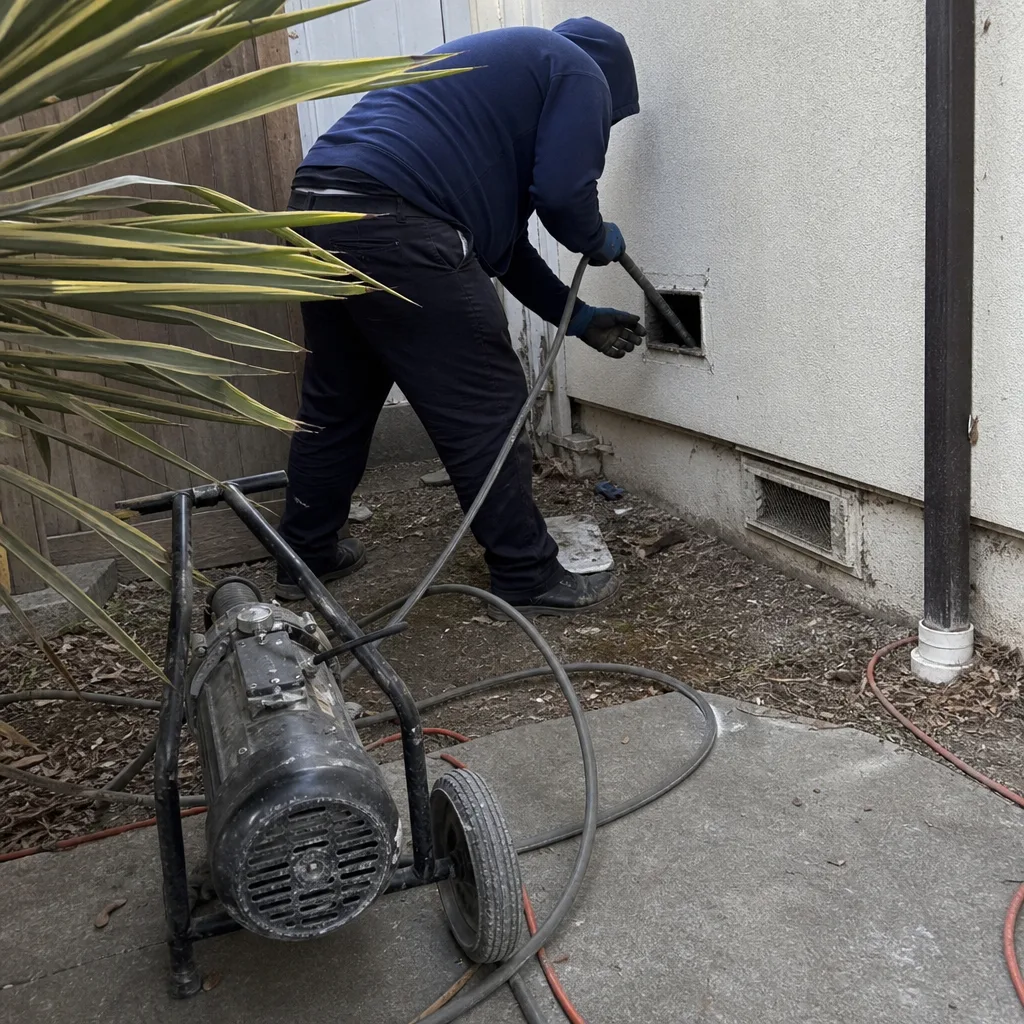 Before
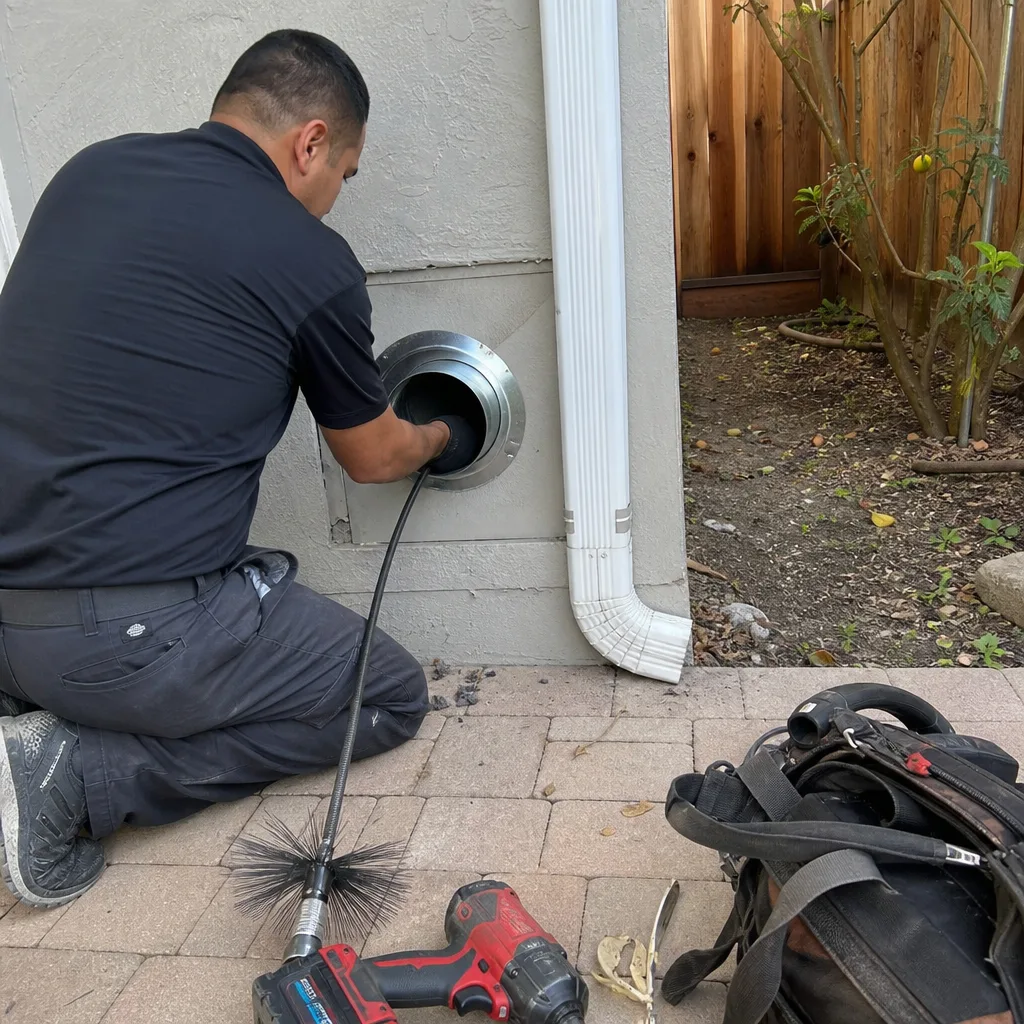 After
After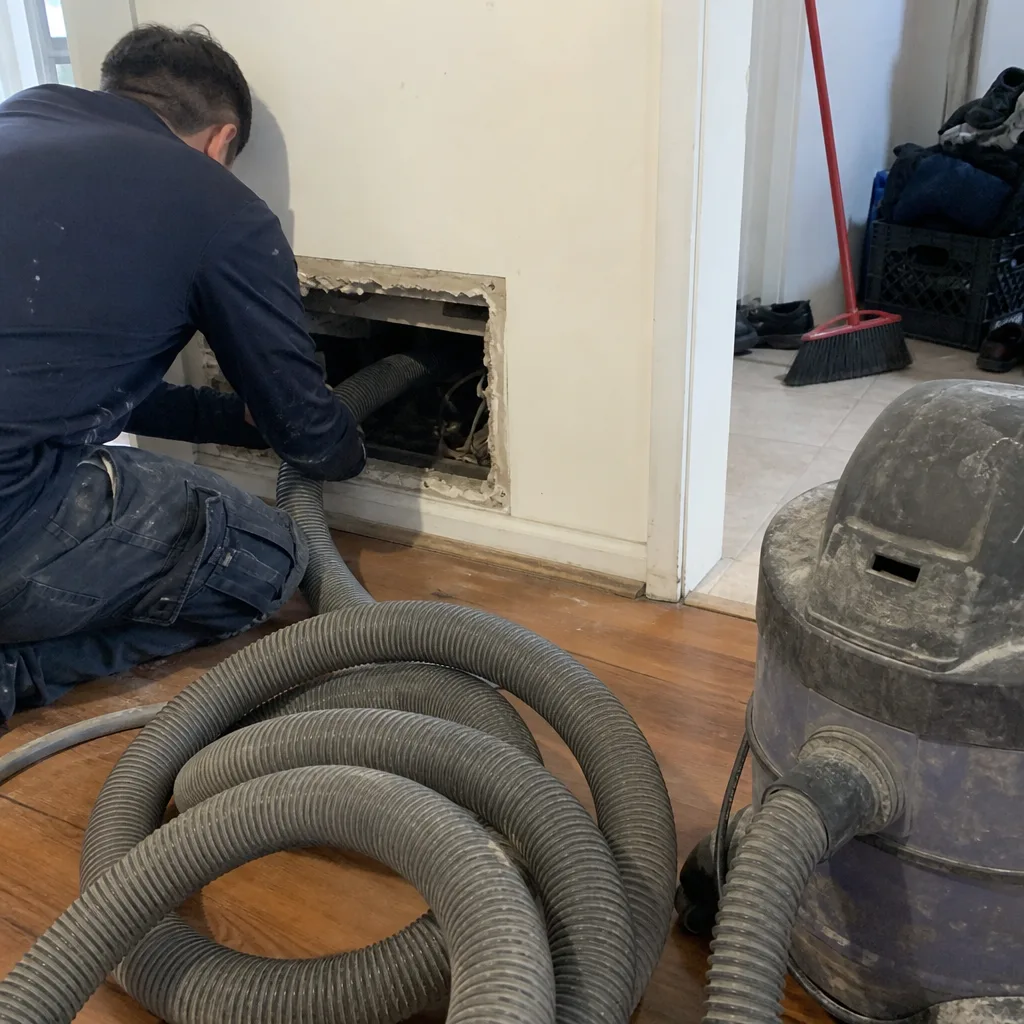 Before
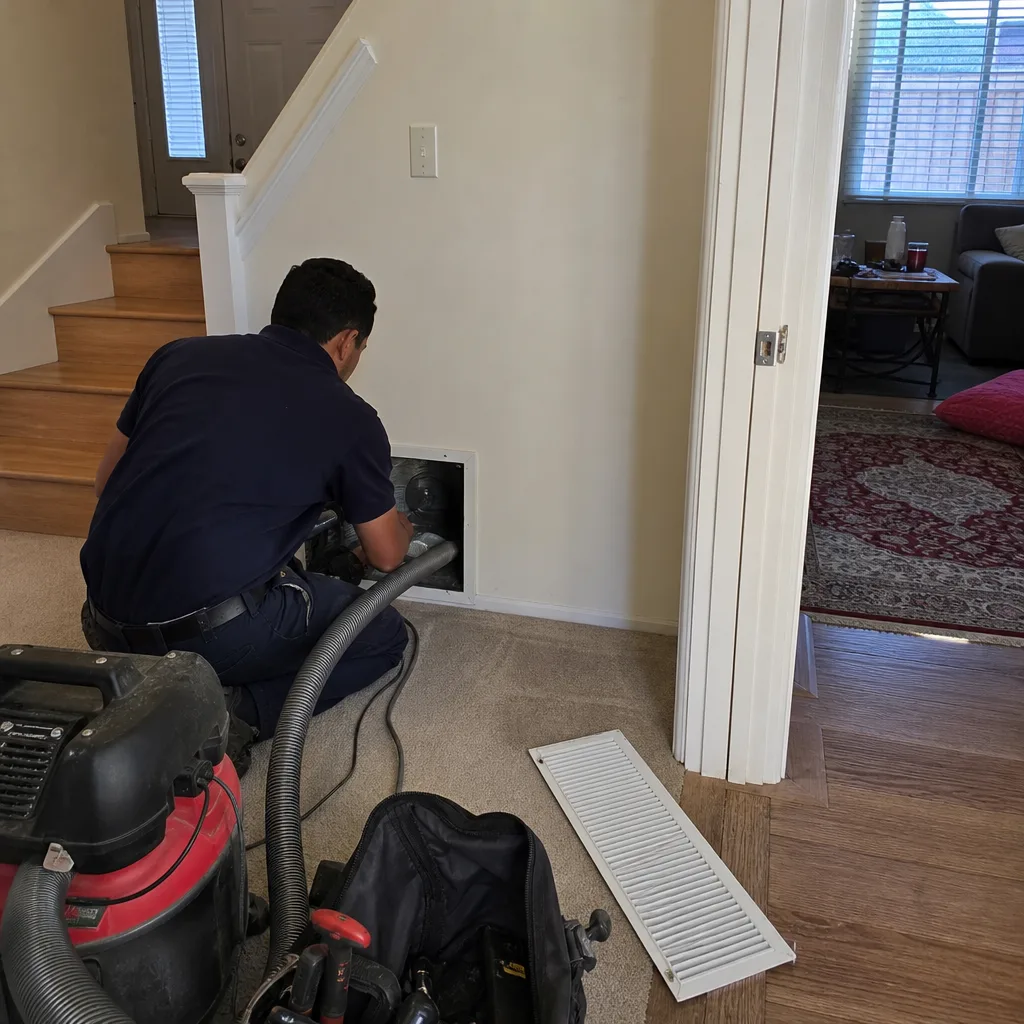 After
After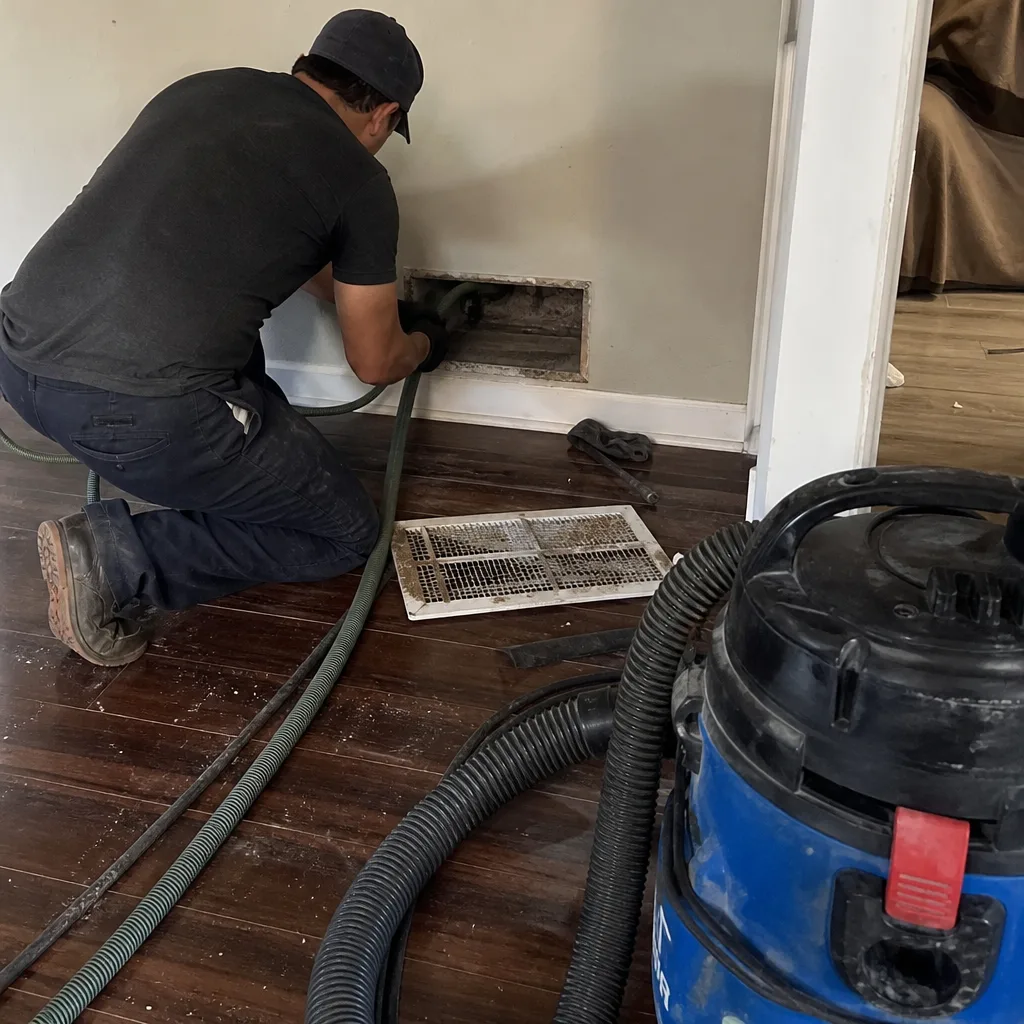 Before
 After
AfterReplacement Cost & What’s Included
For most Rotobrush sanitizing repairs in San Jose, expect a total between $190 and $410 installed. A nozzle or tip replacement runs at the lower end. A pump replacement, which is usually about a 45-minute job on an AiR+, runs higher. If both the pump and the feed line have failed, you’re at the higher end of that range.
What drives the spread is simple: which generation you have, whether the feed line needs replacing along with the failed part, and whether your unit has one sanitizer circuit or two. Commercial Rotobrush systems that service large commercial duct runs can be configured with dual pumps, and that pushes the price up accordingly.
You’ll get one written price before any work begins, covering the part and the labor in one number. That’s the Kingswell Way, and it’s the same standard we’ve held since 2004. The repair is covered by our 365-Day Done Right Promise in writing. If it fails within a year, we return and make it right at no charge. No fine print, no door-step revisions.
DIY or Call Us?
The sanitizing system on a Rotobrush runs at low pressure and doesn’t involve high-tension springs or electrical panel work, so the risk level for a careful owner is genuinely low. You can safely check for obvious cracks in the reservoir, tightness problems at the feed line fittings, and visible residue buildup around the nozzle tip. Those checks cost you nothing and will tell you which direction to go.
Where DIY goes wrong is in the fix itself. The nozzle thread pitch issue between generations means a well-meaning parts order can arrive wrong. Pump replacement requires removing the housing cover and carefully seating the new diaphragm without pinching it. And diagnosing a pump-versus-feed-line issue without a pressure reading usually comes down to guesswork. By the time an owner has ordered one wrong part, most of the savings are gone. If you’re in San Jose and you’d rather have it done right the first time, call us at (669) 220-7869 for a free estimate. We’ll match the part to your exact Rotobrush model before we quote it.
FAQs
In regular use with proper winter storage, a Rotobrush sanitizing pump typically lasts four to six years. Units stored in hot San Jose garages with sanitizer left in the lines often fail sooner, because the heat evaporates liquid and leaves abrasive residue on the pump’s internal seals.
Sometimes the nozzle can be brought back with a proper cleaning, but if the tip has crystallized buildup baked on, replacement is the honest fix. We’ll clean it first and only recommend a replacement if the spray pattern doesn’t return to spec. Call (669) 220-7869 and we’ll give you a straight answer.
Most nozzle and feed line replacements take under 30 minutes. A full pump replacement on an AiR+ or aiR2 usually runs about 45 minutes once the unit is on the bench. We do the work in our San Jose shop or on-site depending on what you’d prefer.
We stock common aftermarket pumps, nozzles, feed lines, and reservoir fittings for the AiR+ and aiR2 lines on our service truck, so many San Jose repairs can be completed same day. For OEM parts, we source them quickly and will give you a timeline before you commit.
Written by Dale Whitmore, Owner, Kestrel Air Duct San Jose at Kestrel Air Duct San Jose, serving San Jose and nearby areas.